

Evcil hayvanlara çip uygulaması: Neden takılır?




Evcil hayvanlara takılan çip ne işe yarar?
Evcil hayvanlara takılan mikroçipin temel amacı, evcil hayvanınız kaybolduğunda veya çalındığında kayıtlı olan kimliğinin tespitiyle bulunmasına yardımcı olmaktır. Ayrıca hayvanınızın sağlık geçmişi, veteriner bakım ve aşı tarihleri gibi pek çok bilgi içerir. Evcil hayvanlar için hızlı, güvenilir ve kolay bir kimlik tespit yöntemidir. Deri altına enjekte edilen pirinç tanesi büyüklüğünde bu cihaz 15 karakterli benzersiz bir kod numarası içerir. Bu, hayvanınızın kimlik numarasıdır.
Veteriner hekimler, bu kimlik numarasını kullanarak doğru hayvana doğru aşıyı yapabilir veya doğru tedaviyi uygulayabilirler. Ayrıca kaybolan veya çalınan bir hayvan bulunduğunda veterinerler veya hayvan barınakları mikroçip tarayıcıları ile hayvanın üzerindeki mikroçipi okuyarak hayvanın sahibine ulaşabilirler.
Evcil hayvanlara çip takılmazsa ne olur?
Çip takılmayan evcil hayvanlar öncelikle kaybolma riski altındadır. Hayvanlar herhangi bir şeyden ürküp kaçabilir ya da açık bir kapı aralığından sokağa çıkıp kolayca kaybolabilirler. Böyle bir durumda mikroçip takılmamış bir hayvanın sahibinin bulunması zorlaşır ve belki de hiçbir zaman bulunamaz. Ya da hayvan hırsızları çipi olmayan bir hayvanı kolayca sahiplenebilirler. Mikroçipler ayrıca hayvanınızın aşı takviminin ve sağlık geçmişinin kaydedildiği ve takip edildiği bir sistemdir. Çip takılmamış evcil hayvanlarda bu takip zorlaşır ve yanlış tedavi riski artar.
Evcil hayvanlara çip nasıl takılır?
Mikroçip takma işlemi son derece basit ve ağrısız bir işlemdir. Uzman bir veteriner hekim veya eğitimli bir teknisyen bu işlemi kolayca gerçekleştirebilir. Mikroçip, ince bir iğne aracılığıyla deri altına, genellikle hayvanın boyun veya üst arka kısmına enjekte edilir. Mikroçip takılacak bölgenin seçimi, hayvanın boyutuna, cinsine ve türüne göre değişebilir. Örneğin, küçük cins bir köpekte omuz bölgesi tercih edilebilirken, büyük cins köpekler için ense veya sırt bölgesi daha uygun olabilir. Bu bölgeler, çipin rahat yerleştirilebildiği ve gerektiğinde rahat okunabileceği yerlerdir.
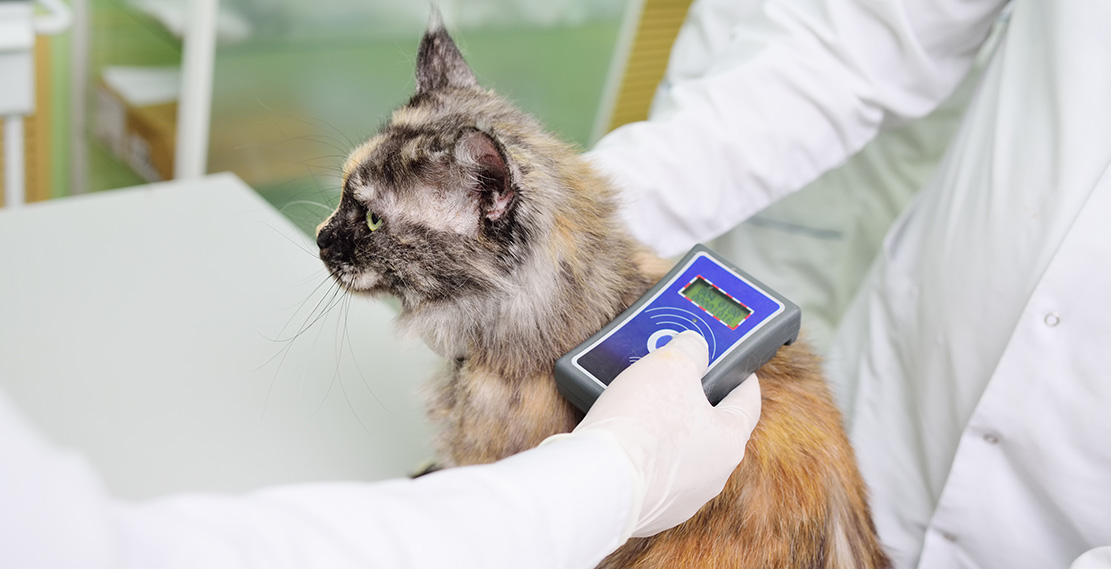
Veteriner hekiminiz işlem öncesinde hayvanınızın sakinleşmesi ve rahatlaması için bir sedatif veya lokal anestezi kullanmayı tercih edebilir. Mikroçip takıldıktan sonra, veteriner hekiminiz mikroçipin kaydedilmesi ve kayıt sistemine eklenmesi için size bir kayıt formu verir. Bu formda, hayvanınızın bilgileri (isim, tür, cinsiyet, yaş, aşı takvimi vb.) ile birlikte mikroçip numarası yer alır. Bu numara veteriner hekimin veya kayıt sisteminin veri tabanına kaydedilir. Kaybolması durumunda hayvanınızın kolay bulunabilmesi için bu bilgileri güncel tutmanız önemlidir.
Evcil hayvanlara çip takma süresi
İşlem oldukça kısa sürer. Genellikle işlem 5-10 dakika arasında tamamlanır. Ancak, bu süre hayvanınızın cinsine, boyutuna ve davranışlarına göre değişebilir.
Evcil hayvanlara çip nerede takılır?
Mikroçip takma işlemi çoğunlukla veteriner kliniklerinde uzman veteriner hekimler tarafından gerçekleştirilir. Ancak bazı bölgelerde hayvan barınaklarında veya hayvan koruma derneklerinde de çip takılabilmektedir.
Evcil hayvanlara çip takılması zararlı mı?
Mikroçip takılması genellikle güvenli bir işlemdir ve hayvanlar için herhangi bir zararlı etkisi yoktur. Mikroçipler insanlar ve hayvanlar için zararsız olan biyo-uyumlu malzemelerden yapılmıştır ve cilt altına yerleştirildikleri için vücudun diğer parçalarıyla etkileşime girmezler. Bu işlem kalıcıdır, yerleştirilen çip hayvanın vücudundan herhangi bir şekilde çıkmaz ve hayvanın yaşamı boyunca hasar görmeden görevini sürdürür.
Ayrıca manyetik rezonans görüntüleme (MR) veya diğer medikal görüntüleme teknikleri ya da mikroçipleri okutmak için kullanılan radyo frekansı (RF) dalgaları da hayvanların sağlığına zarar vermez.
Kedi çipi radyasyon yayar mı?
Mikroçipler radyasyon yaymazlar ve yüksek enerjili radyasyon kaynakları değillerdir.
Radyo frekansı (RF) teknolojisini kullanarak çalışırlar. Bu teknolojide mikroçipler, bir okuyucunun yakınından geçtiğinde yüksek frekanslı radyo dalgaları kullanarak bilgi gönderirler. Okuyucu, bu sinyali alır ve mikroçipte kayıtlı bilgileri okur. Okuma mesafesi oldukça kısadır ve sinyal, mikroçipte bulunan verileri okuduktan sonra hemen durur. Mikroçip pasif bir cihazdır, yani kendi kendine çalışmaz veya veri yaymaz. Sadece okuyucusu tarafından okunabilen verileri depolar.
Hayvanlara takılan çip acıtır mı?
Mikroçip takılması işlemi, genellikle aşı yapılması veya kan alınması gibi rutin veteriner işlemlerine benzer bir işlemdir, hayvanınızda kısa süreli hafif ağrı ve rahatsızlık hissine neden olabilir. Ancak, veteriner hekimler, hayvanın ağrı ve rahatsızlık hissini en aza indirmek için genellikle lokal anestezik veya ağrı kesiciler kullanırlar. İşlem sonrası hayvanınız normal aktivitelerine devam edebilir.
Evcil hayvanlara çip ücreti
Evcil hayvanlara takılan mikroçip ücretleri, mikroçipin kalitesine, veteriner kliniğinin konumuna, hayvanınızın türüne ve mikroçip takılması işleminin gerektirdiği ek hizmetlere göre değişebilir. Hayvanınızın ek muayeneye ihtiyacı varsa ya da işlem sırasında ağrı kesici veya lokal anestezi uygulanacaksa ek ücret talep edilebilir. Ancak genel olarak, mikroçip takılma işlemi için 50-300 TL arası bir ücret alınmaktadır.
Evcil hayvanlara çip taktırmak zorunlu mu?
Türkiye’de 2023 yılı itibariyle “Kedi, Köpek ve Gelinciklerin Kimliklendirilmesi ve Kayıt Altına Alınmasına Dair Yönetmelik” kapsamında 6 aylıktan büyük kedi, köpek ve gelinciklere mikroçip taktırılması zorunludur.
Çip takılmayan hayvanlara ne olacak?
Evcil hayvanına çip taktırmayan kişiler tespit edildiklerinde ceza ödemek zorundadırlar. Bu ceza 2023 yılı itibariyle 3 bin 469 TL olarak belirlenmiştir. Cezayı ödemelerinin ardından da evcil hayvanlarına çip taktırıp kayıt altına aldırmaları gerekmektedir.


Yorumlar (0)