

Köpeklerde uyuz hastalığı: Nedenleri, belirtileri, tedavisi




Uyuz hastalığı nedir?
Uyuz hastalığı, sarcoptes scabiei adı verilen parazitlerin neden olduğu bir cilt enfeksiyonudur. Bu parazitler cildin üst tabakasında tüneller açarak, cildin altındaki bölgelere yerleşirler ve ciltte şiddetli kaşıntı, kızarıklık, kabarcık, döküntü, kabuklanma ve kalınlaşma gibi problemlere neden olurlar. Uyuz, özellikle kalabalık veya hijyen koşulları kötü olan yerlerde daha yaygındır. Hastalık, direk temas yoluyla insanlara ve hayvanlara bulaşabilir. Hastalığın kesin teşhisi için deriden kazıntı örneği alınır ve mikroskop altında incelenir. Uyuz hastalığı ciddi bir hastalık olsa da uygun tedavi ve hijyen koşullarına uyulmasıyla kontrol altına alınabilir. Tedavisinde parazitleri öldürmeye ve semptomları hafifletmeye yardımcı olan ilaçlar kullanılır. Ayrıca uyuzlu kişilerin ve hayvanların giysileri ve yatakları sık sık yıkanmalı ve temizlenmelidir.
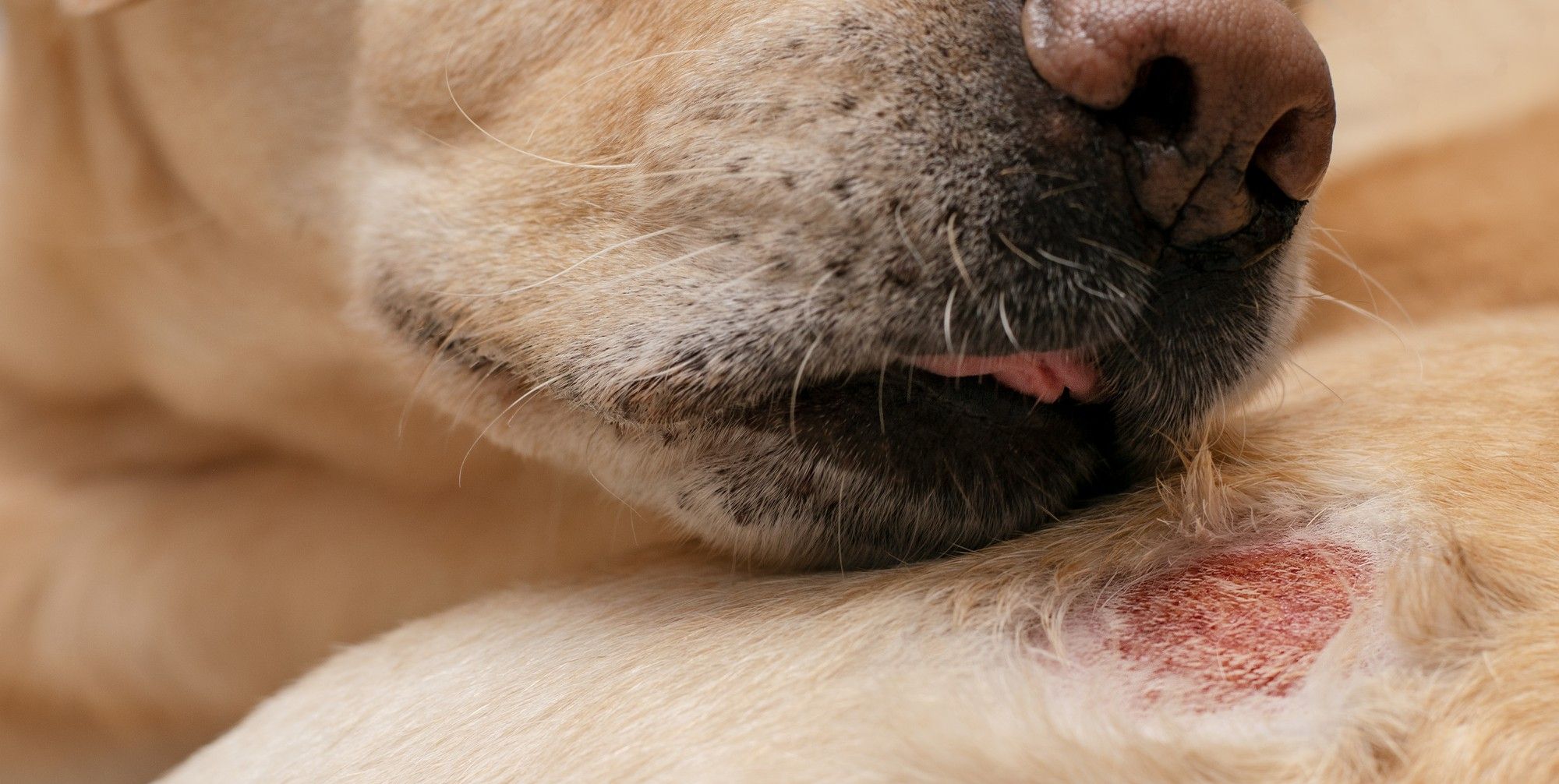
Köpeklerde uyuz belirtileri
- Köpeğinizin sürekli kaşınmasına ve yalanmasına neden olan şiddetli kaşıntı
- Cilt üzerinde kırmızı, kabarık, kabuklu görünümde döküntüler
- Ciltte kızarıklık ve tahriş
- Deri kalınlaşması
- Özellikle kulakların, dirseklerin ve ayakların etrafında tüy dökülmesi
- Kabuklanma ve pullanma
- Ciltte kötü koku
- Yaraların enfekte olması sonucu ateş
- Kulak enfeksiyonu
- Göz enfeksiyonu (gözlerde kızarıklık, iltihaplanma ve tahriş ile kendini gösterir)
- Huzursuzluk
- İştahsizlik ve kilo kaybı
Uyuz nasıl bulaşır?
Uyuza neden olan parazitler enfekte ettikleri kişi veya hayvanın cildine veya tüylerine yerleşirler ve 72 saat kadar yaşayabilirler. Uyuz hastalığını taşıyan kişi ya da hayvanla doğrudan cilt teması, ortak kullanılan eşyalar veya giysiler yoluyla kolayca bulaşabilirler. Ayrıca, uyuzlu bir hayvanın cildine dokunmak veya onun yatağına temas etmek de bulaşmanın bir diğer yoludur. Enfeksiyon riski, kalabalık yaşam koşullarında veya hijyenik olmayan ortamlarda daha yüksektir.
Köpeklerde uyuz hastalığı insana bulaşır mı?
Evet, köpeklerdeki uyuz hastalığı insanlara bulaşıp enfeksiyona neden olabilir. İnsanlarda görülen uyuz belirtileri, köpeklerdeki belirtilerle hemen hemen aynıdır. Uyuz hastalığı taşıdığından şüphelendiğiniz köpeklerle temas etmekten kaçının veya temas ederseniz de hemen sonra ellerinizi yıkayın. Özellikle barınaktan sahiplenilen köpeklerde uyuz riski yüksektir ve eve adaptasyon sürecinde dikkatli olmak gerekir. Barınaktan size ve evdeki diğer patili üyelere uyuz taşıyabilir.
Köpeklerde uyuzun tedavisi
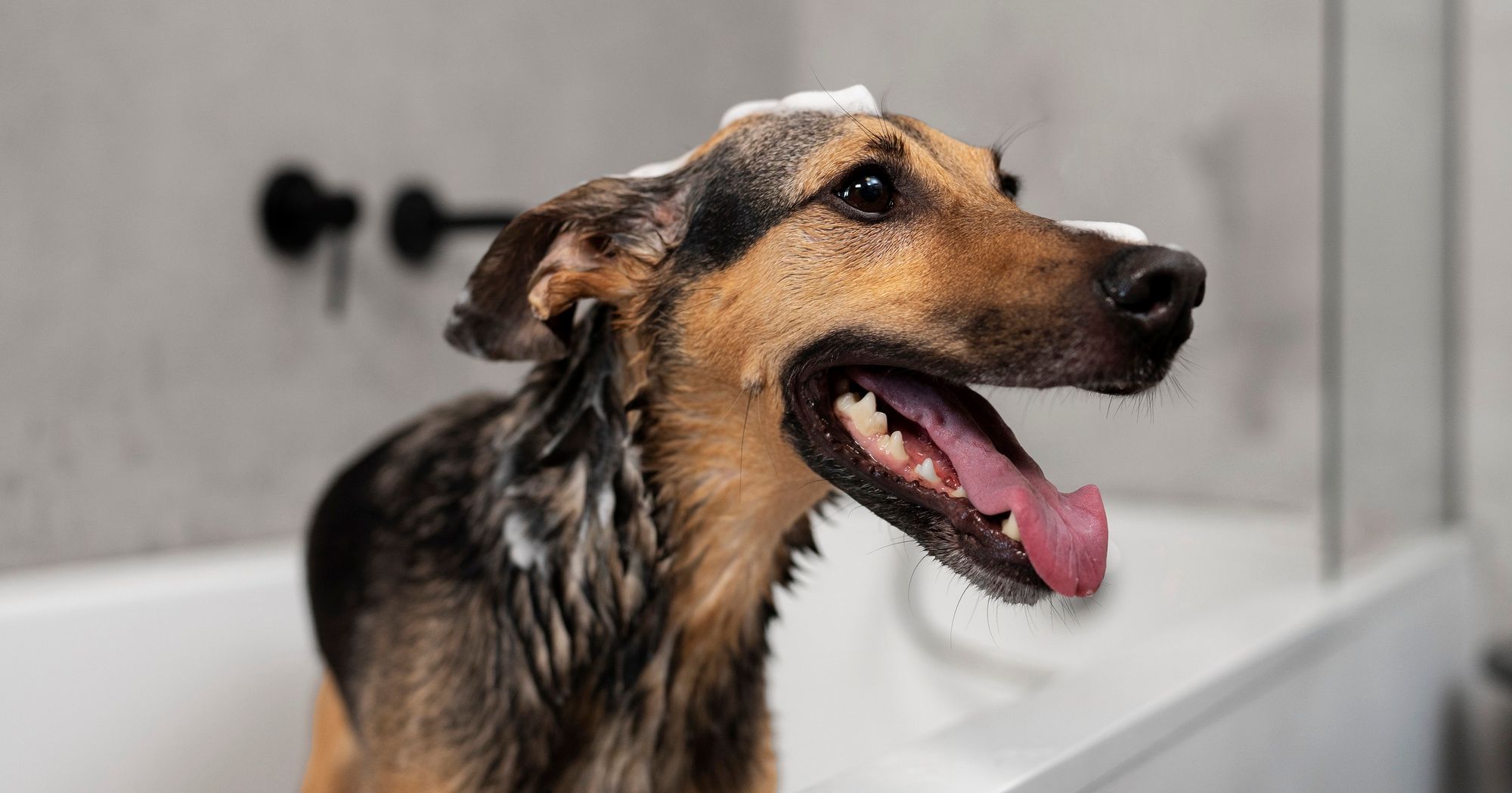
Köpeklerde uyuz hastalığı mutlaka bir veteriner hekim kontrolünde tedavi edilmelidir. Tedavi, genellikle uyuzun şiddeti ve köpeğin sağlık durumuna göre değişse de genellikle parazitleri yok etmek ve semptomları hafifletmek için ilaçlı banyo ya da topikal ilaçlar kullanılır. Tedavinin etkili olabilmesi, ilaçların doğru kullanımına ve tedavinin tamamlanmasına bağlıdır. İlaçların yanlış kullanımı, yan etkiler veya köpekte alerjik reaksiyonlara neden olabilir.
Ayrıca, veteriner hekiminiz, köpeğinizin bağışıklık sisteminin desteklenmesi için beslenmesine vitamin takviyeleri, omega-3 yağ asitleri veya probiyotikler ekleyebilir. Tedavi edilmeyen uyuz hastalığı köpeklerde cilt enfeksiyonları, aşırı tüy dökülmesi ve ciltte kalıcı hasar gibi ciddi sağlık sorunlarına yol açabilir.
Köpeklerde uyuzun evde tedavisi
Uyuz evde kendi kendine tedavi edilebilecek bir hastalık değildir. Uyuz parazitleri oldukça dirençlidir ve tedavi mutlaka bir veteriner hekim tarafından belirlenen tedavi planına göre yapılmalıdır. Evde tedavi denemek, uyuzun köpekte kalıcı hasarlar bırakmasına ve sağlık sorunlarının daha da kötüleşmesine neden olabilir. Ancak köpeğinizin cilt sağlığı ve hijyeni de uyuz tedavisinin önemli bir parçasıdır. Köpeğinizin yatağını, oyuncaklarını ve diğer eşyalarını düzenli olarak dezenfekte ederek ve tırnaklarını düzenli olarak keserek ilaç tedavisini destekleyebilirsiniz.
Köpeklerde uyuzun bitkisel tedavisi
Uyuz hastalığında bitkisel tedavi yöntemleri tek başına yeterli değildir ve veteriner hekim tarafından önerilen ilaç tedavisi yerine kullanılmamalıdır. Bununla birlikte, bazı bitkisel yöntemler, tedaviyi destekleyici amaçla veteriner hekimin bilgisi dahilinde ve kontrolünde kullanılabilir. Örneğin, çay ağacı yağı gibi bazı bitkisel yağlar, uyuz parazitlerinin öldürülmesinde etkili olabilir. Ancak, bu yağların kullanım şekli ve dozu çok önemlidir. Fazlası köpeğinizin cildini tahriş edebilir. Ayrıca papatya çayı veya lavanta yağı ile yapılan banyolar da semptomları hafifletebilir. (Önemli not: Bitkisel tedavide aloe vera hayvanlar üzerinde kullanılmamalıdır çünkü hayvanlar için zehirlidir).
Köpeklerde uyuz hastalığı nasıl önlenir?
Köpeğinize uyuz bulaşmasını önlemek için aşağıdaki önlemleri alabilirsiniz:
- Köpeğinizin düzenli veteriner kontrollerini aksatmayın.
- Köpeğinizi ve yaşadığı çevreyi düzenli olarak temizleyin, yatağını ve oyun alanını dezenfekte edin.
- Hasta köpeklerle temasını engelleyin. Ayrıca, köpek parkları gibi kalabalık köpek alanlarına gitmek yerine, köpeğinizi daha tenha bölgelerde gezdirin.
- Eğer köpeğiniz uyuzlu bir köpek ile temas ettiyse, hemen veteriner hekiminize bilgi verin.
- Köpeğinizin bağışıklık sistemini güçlü tutmak için sağlıklı beslenmesini sağlayın.
- Erken teşhis için köpeğinizi düzenli olarak tarayın ve ciltteki değişimlerini gözleyin.
- Parazit önleyici ilaçlarını aksatmayın.


Yorumlar (0)