

Aslanlar hakkında ilginç bilgiler ve yanlış bilinenler




Aslanlar hakkında ilginç bilgiler
Aslanlar hakkında pek çok şey bildiğimizi düşünürüz, ancak bu büyüleyici yaratıkları tahmin ettiğimiz kadar tanımıyor olabiliriz. İşte onlar hakkında bilinmeyen ya da az bilinen bazı gerçekler:
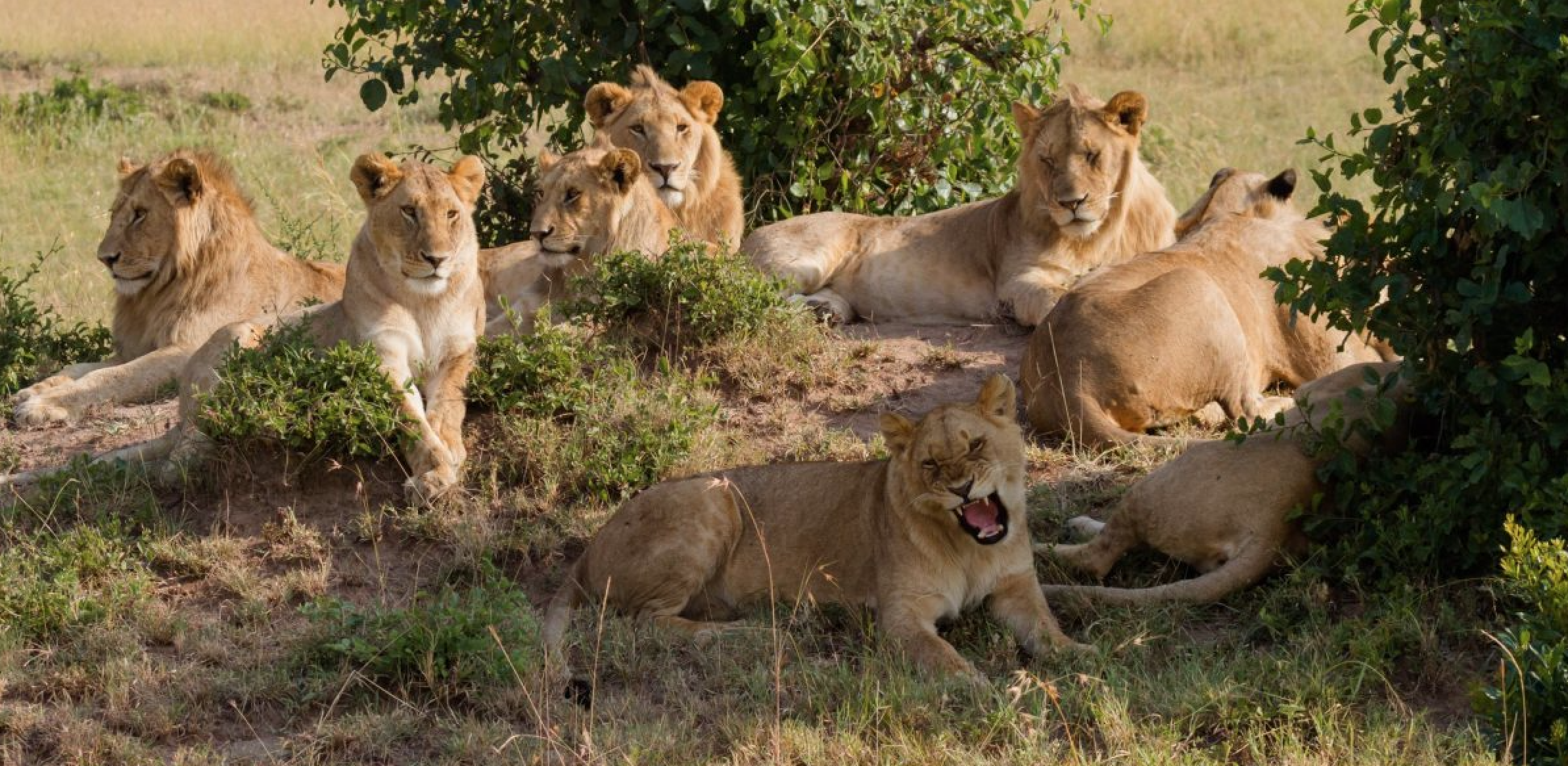
- Sosyaldirler: Aslanlar, büyük kediler arasında sosyal yapıları en belirgin olan türdür. Diğer büyük kedi türleri genellikle yalnız avlanırken, aslanlar sosyal gruplar olan kümeler halinde yaşar ve avlanırlar. Bir sürü, genellikle birkaç dişi, yavrular ve bir veya daha fazla erkekten oluşur. Bu sosyal yapı, avlanma ve yavruları koruma konularında avantaj sağlar.
- Dil yapısı: Aslanların dili, küçük, sivri çıkıntılar olan papillalarla kaplıdır. Bu papillalar o kadar keskindir ki, aslanlar dillerini bir sünger gibi kullanabilir ve avlarının etini kemiklerinden sıyırabilirler.
- Kükreme mesafesi: Aslanların kükremesi son derece güçlüdür ve 8 kilometreye kadar duyulabilir.
- Koşma hızı ve süresi: Kısa mesafelerde saatte 50 kilometreye kadar hız yapabilirler. Ancak, bu hızı uzun süreler boyunca sürdürebilecek kadar dayanıklılıkları yoktur.
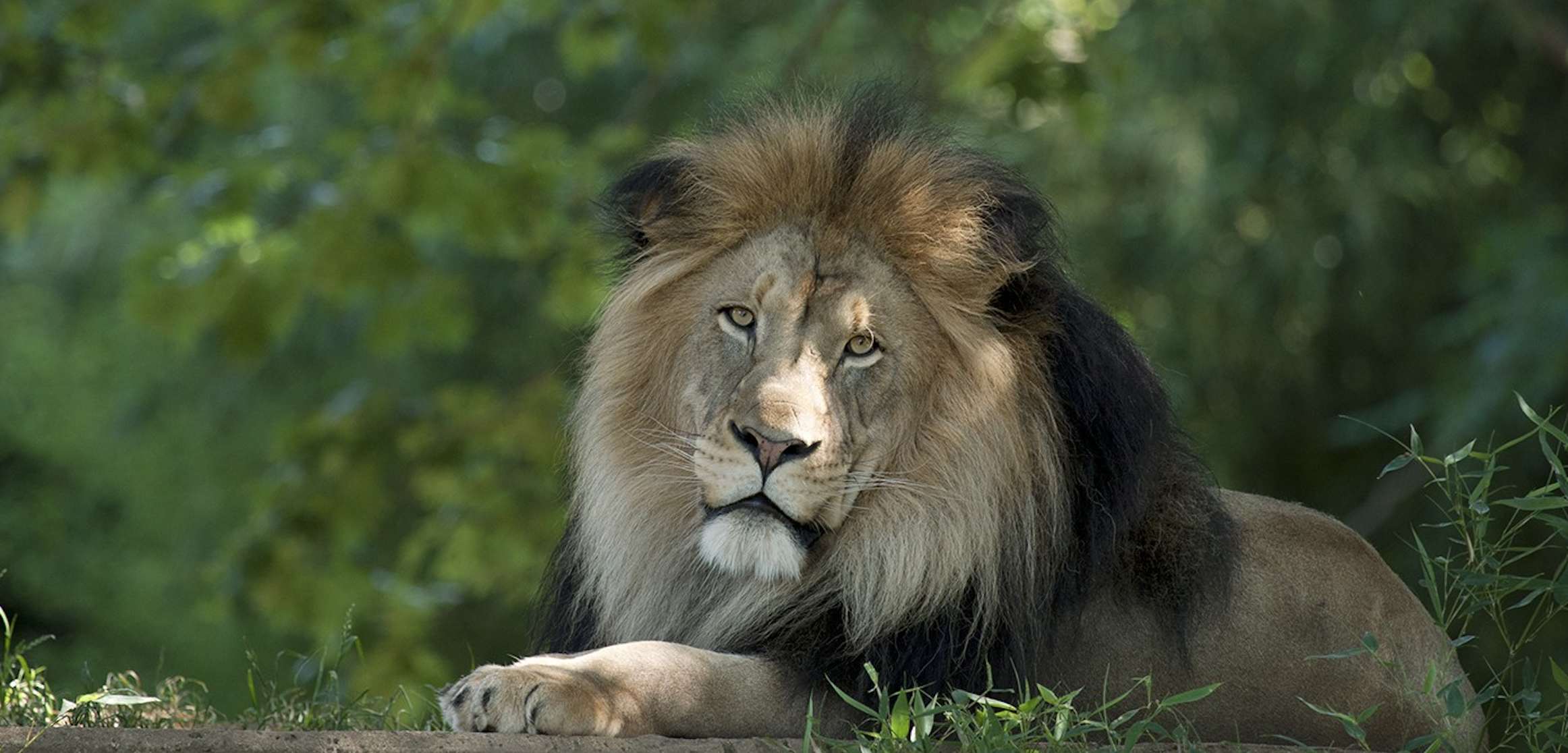
- Yüzme yetenekleri: Aslanlar, diğer büyük kedilerden farklı olarak, sudan rahatsız olmazlar, hatta iyi yüzücülerdir. Bazı aslanlar, özellikle Okavango Deltası'nda bulunanları, sıklıkla suya girer ve yüzer.
- Yiyecek paylaşımı: Sürüde, yiyecek statüye göre paylaşılır. Dominant erkekler genellikle yemeği ilk yeme hakkına sahiptir. Dişiler ve yavrular daha sonra gelir.
- Avlanma iş bölümü: Aslan sürülerinde genellikle dişiler avlanır. Erkekler sürüyü diğer tehditlere karşı korumakla ya da büyük ve daha tehlikeli avlarla başa çıkmakla görevlidir
- Beyaz aslanlar: Beyaz aslanlar oldukça nadirdir ve özellikle Güney Afrika'da görülürler. Beyaz renklerinin nedeni, genetik bir durum olan leucismdir.
- Erkek aslanların rekabeti: Aslan sürülerinde erkekler arasındaki liderlik rekabeti oldukça sert olabilir. Genç bir erkek aslan ergenliğe ulaştığında, genellikle kendi sürüsünden dışlanır. Başka bir sürü üzerinde kontrol kazanmak için birkaç yıl boyunca dolaşır ve güçlenir. Ardından bir sürüyü ele geçirmeye hazır olduğunda, o sürünün lideriyle çatışır. Bu çatışmalar oldukça şiddetli olabilir ve genellikle ölümle sonuçlanır.
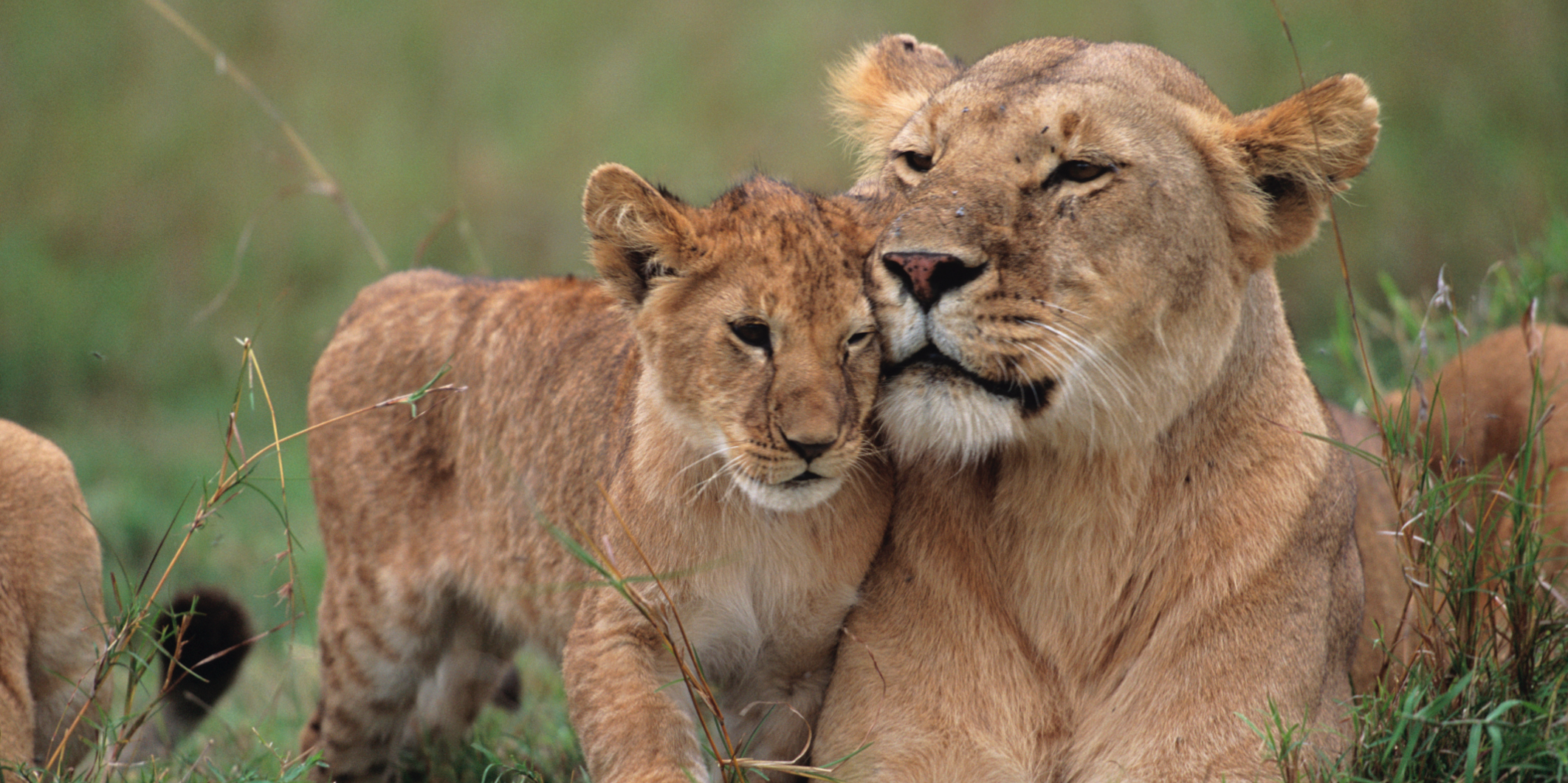
- Aslan yavrularının yaşam ortalaması: Yavruların yüzde 50'si genellikle bir yaşına gelmeden önce ölür. Bazen de sürünün yeni lideri sürü üzerinde kontrol kurmak için önceki liderin yavrularını öldürebilir. Bu, dişilerin yeniden çiftleşmeye hazır hale gelmesini hızlandırır ve yeni liderin kendi genlerini yaymasına olanak sağlar. Bu süreç, aslan sürülerinin dinamiklerinin önemli bir parçasıdır ve aslanların doğal seçilimine katkıda bulunur. En güçlü ve en uygun erkeklerin genleri, gelecek nesillere aktarılır. Bu süreç ayrıca, sürünün genetik çeşitliliğini de artırır.
- Uyuma süresi: Aslanlar, günlerinin büyük bir bölümünü uyuyarak geçirirler. Günde ortalama 15-20 saat uyur veya dinlenirler. Erkekler çoğu işi dişilere bırakır, dişiler hem avlanır hem de yavruları büyütür.
- Esneme: Aslanlarda, birinin esnemesi diğerlerinin de esnemesini tetikler. Bu, bir tür "bulaşıcı" davranış örneğidir, grup uyumunu ve sosyal bağları gösterir.
- Aslanlar yaşlandıkça zayıflar: Aslanlar yaşamlarının sonlarına doğru daha zayıf ve daha az etkili avcılar olurlar. Bu, özellikle erkekler için geçerlidir, çünkü genellikle sürüye hükmetme yeteneklerini kaybederler ve tek başına yaşamak zorunda kalırlar.
Aslanlar hakkında yanlış bilinenler
Aslanlar vahşi hayvanlar içinde, haklarında en fazla efsane anlatılan hayvanlardan biridir. Bunlardan bazıları doğru olsa da birçoğu yanlıştır. Bu yanlış bilgileri düzeltmek, aslanların doğru anlaşılmasına ve korunmasına yardımcı olabilir. İşte aslanlar hakkında yanlış bilinen gerçekler:
- "Aslanlar ormanların kralıdır": Aslanlar ormanların kralı olarak bilinseler de bu doğru değildir. Aslanların yaşam alanı ormanlar değil savanalar ve otlaklardır. Ayrıca, her ne kadar büyük ve güçlü etoburlar olsalar da aslanların yaşadığı yerlerde başka büyük etoburlar ve tehlikeler de vardır.
- "Erkek aslanlar avlanmaz": Genellikle dişi aslanların avlandığı ve erkeklerin sürüde dinlendiği söylenir. Gerçekte, erkek aslanlar da avlanır, ancak bu genellikle yalnız olduklarında veya çok büyük avları takip ettiklerinde olur.
- "Tüm erkek aslanların yelesi vardır": Yele, genellikle erkek aslanlarla ilişkilendirilir, ancak tüm erkek aslanların yeleleri yoktur. Bazı coğrafik popülasyonlarda, özellikle daha sıcak bölgelerde, erkek aslanların yeleleri daha az belirgindir veya hiç yoktur. Ayrıca, bazı dişi aslanların genetik olarak yelesi olabilir.
- "Aslanlar ve kaplanlar düşmandır": Bu yanılgı çoğunlukla hikayeler ve filmlerden gelir. Ancak, aslanlar ve kaplanlar doğal olarak aynı coğrafyada yaşamazlar, bu yüzden birbirleriyle çatışma olasılıkları çok düşüktür. Aslanlar genellikle Afrika'da, kaplanlar ise Asya'da bulunur.
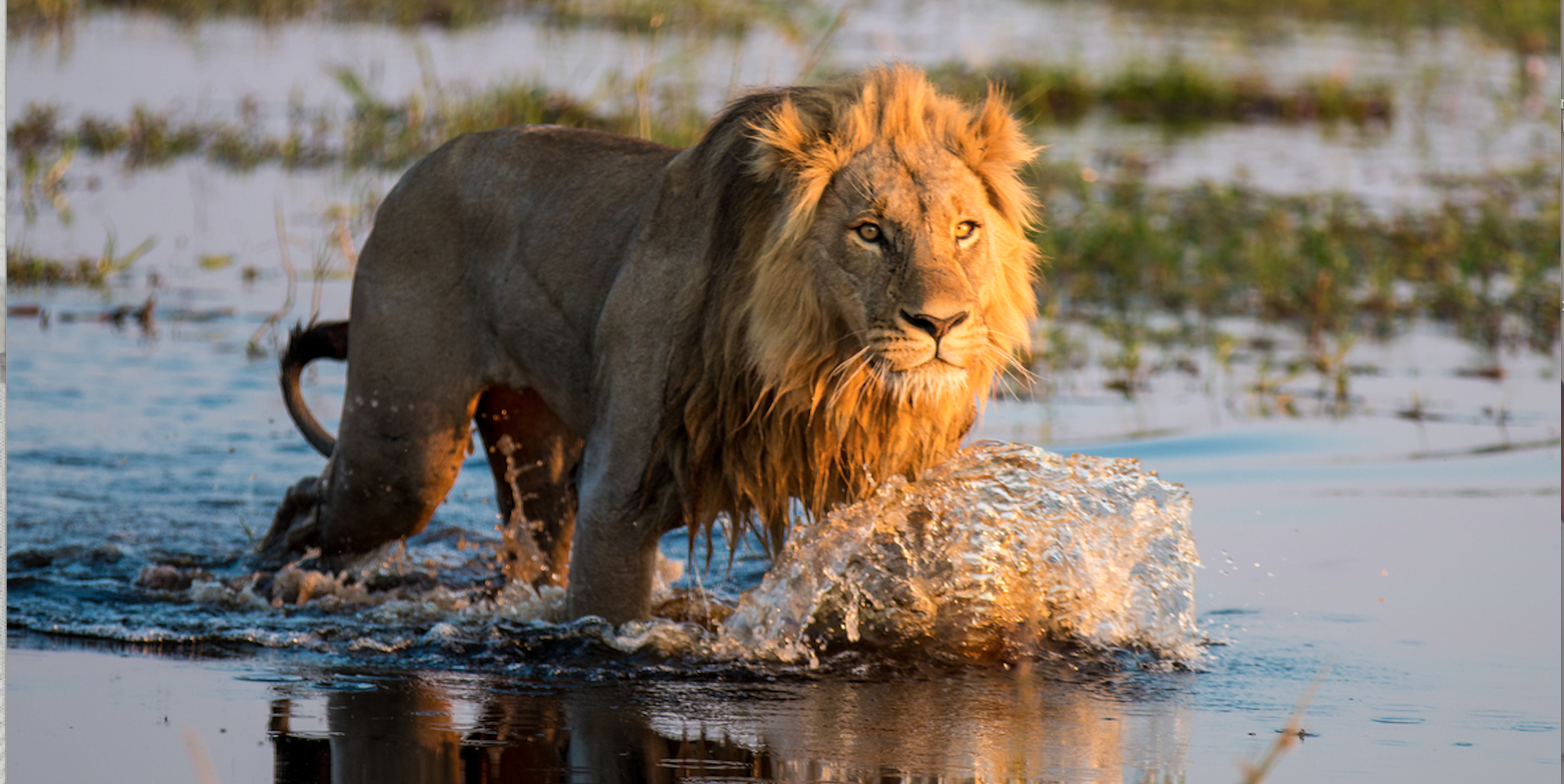
- "Aslanlar tembeldir": Aslanların büyük bir bölümü günlerini uyuyarak veya dinlenerek geçirir, bu yüzden bazen tembel olarak nitelendirilirler. Ancak, bu aslında enerjilerini korumak için gereklidir çünkü avlanmak genellikle hızlı ve yoğun bir aktivite gerektirir.
- “Aslanlar sadece Afrika'da yaşar”: Genelde Afrika'nın simgesi olarak düşünülse de, aslında aslanlar tarih boyunca Avrupa, Asya ve Amerika'nın belirli bölgelerinde de yaşamışlardır. Günümüzde, vahşi doğada aslanların sadece Afrika'da olduğu doğru olmakla birlikte, küçük bir Asya aslanı popülasyonu da Hindistan'ın Gir Ormanı'nda bulunmaktadır.
- “Aslanlar en büyük kedi türüdür”: Aslanlar büyük ve güçlüdürler, ancak kedilerin en büyüğü değillerdir. Bu unvan, ağırlık ve boyut bakımından kaplanlara aittir.


Yorumlar (0)