

Balıklarda kuyruk erimesi neden olur? Belirtileri ve tedavisi




What is tail rot in aquarium fish?
Fin rot or tail rot is a disease frequently seen in aquarium fish. It usually occurs as a result of bacterial infections, but sometimes fungal infections can also cause this condition. The two main types of bacteria that cause tail rot are; Aeromonas and Pseudomonas. These bacteria are often present in the aquarium environment and are attacked when the fish's immune systems are weakened or stressed. Tail wasting is a disease that should be taken seriously; if left untreated, the infection may spread throughout the body and cause the death of the fish.
What causes tail melting in fish?
We can list the factors that may cause tail melting in fish as follows:
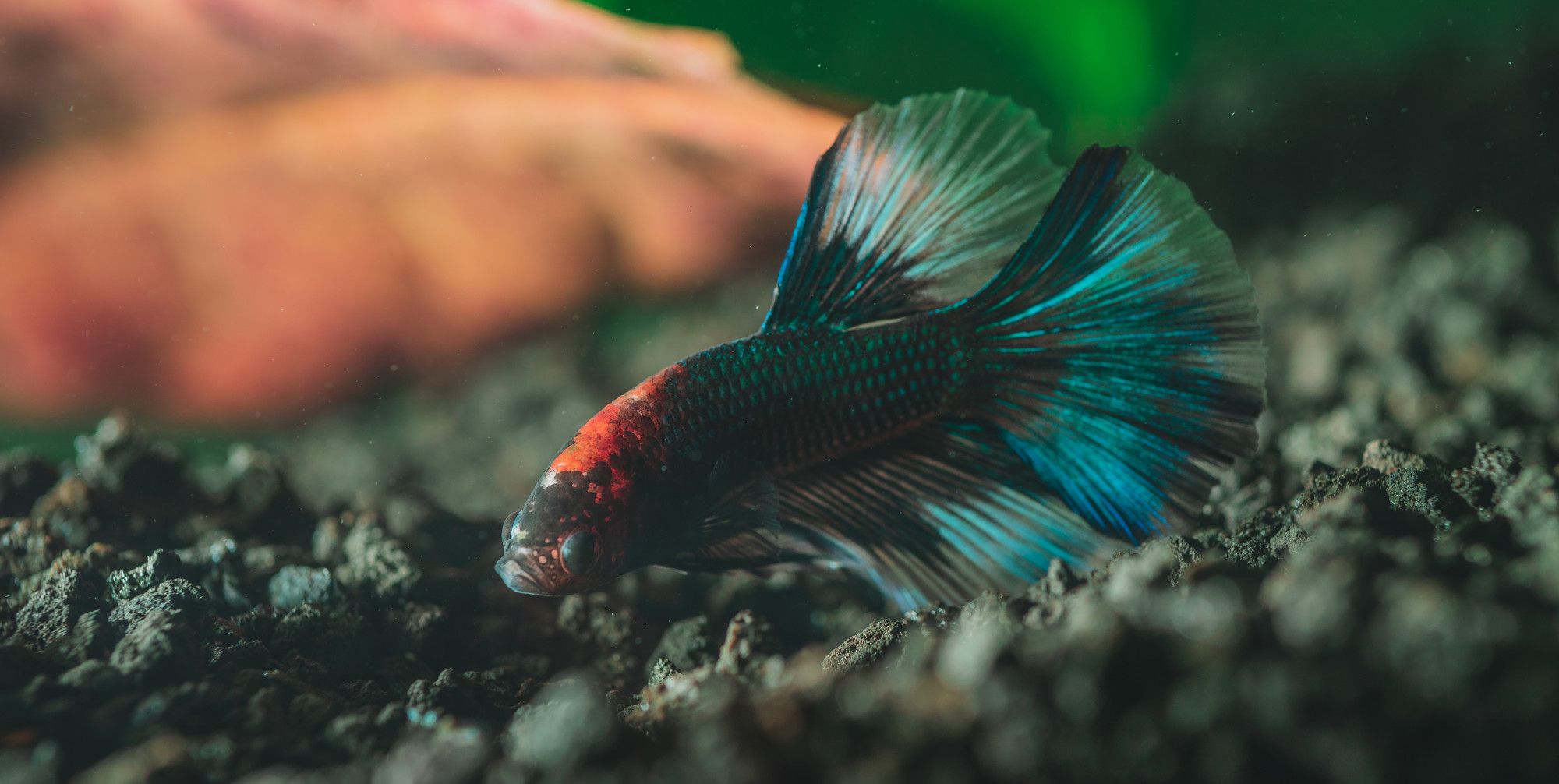
What are the symptoms of tail melting in fish?
- Changes on the edges of the fins: The first symptom is usually seen as whitening or blurriness at the edges of the fins. The tips of the fins may melt, fray, or become jagged.
- Color changes: The fins often appear paler than their normal color. As the disease progresses, the fins may acquire abnormal colors such as red, black or white.
- Finning or rotting: As the disease progresses, the tissue of the fins slowly melts or rots. Your fish may have difficulty swimming over time.
- Bleeding: In advanced cases, bleeding may occur in the fins.
- Other Symptoms: Since fish are generally stressed, they may become less active, lose their appetite, and their general health condition may deteriorate.
These symptoms are indicators that the fish is fighting an infection and it usually progresses slowly. When you see early signs, it is important to begin treatment immediately and correct water conditions.
Treatment of tail melting in fish
Tail melting can usually be reversible with appropriate treatment, but if left untreated, it may cause serious health problems or even death of your fish. You can follow the following steps during the treatment process:
Improving water conditions
One of the most common causes of the disease is poor water conditions. Test water parameters regularly and change water at appropriate intervals. However, be sure to change the water slowly to avoid extra stress on the fish. Check ammonia, nitrite and nitrate levels and ensure pH, temperature and other factors are within appropriate ranges. Also, check that your filter is working properly
Medication
Since tail melt is usually a bacterial infection, broad-spectrum antibiotics or antibacterial medications can be used in the treatment. Maracyn-2 (Erythromycin) and Melafix are among the commonly used drugs. However, do not apply any medication to your fish without consulting a veterinarian. Your veterinarian will give you detailed information about the dosage and method of use of the medicine.
Quarantine
You may need to place your infected fish in a separate quarantine tank to prevent other fish from getting sick.
Proper nutrition
Proper nutrition of your fish during the treatment process strengthens their immune system and increases their resistance to disease. Support treatment with a balanced diet rich in vitamins and minerals.
Reducing stress
Stress can help spread diseases. To reduce stress in your fish's environment, light the aquarium appropriately, provide your fish with adequate hiding places, and make sure the aquarium is not overcrowded.
How to prevent tail melting in fish?
Actually, the best treatment is prevention. You can protect your fish against many diseases, including tail wasting, by regularly monitoring the aquarium and water conditions, preventing stress, and ensuring a healthy diet. Also, if you are going to add new fish to the aquarium, quarantine them for at least two weeks beforehand. After making sure they are healthy, place them in the general aquarium. Because new fish can carry parasites or diseases into your aquarium. Besides all this, the most important thing is to observe your fish regularly. This way, you can detect any physical or behavioral changes early and intervene before the disease progresses. Always keep in touch with your veterinarian and always seek professional advice if there are any problems with your aquarium.


Yorumlar (3)
29 Mart 2026
Hello Petklinik Org Owner, My name is Eric and I’m betting you’d like your website Petklinik Org to generate more leads. Here’s how: Web Visitors Into Leads is a software widget that works on your site, ready to capture any visitor’s Name, Email address, and Phone Number. It signals you as soon as they say they’re interested – so that you can talk to that lead while they’re still there at Petklinik Org. Visit https://blastleadgeneration.com to try out a Live Demo with Web Visitors Into Leads now to see exactly how it works and even give it a try… it could be huge for your business. Plus, now that you’ve got their phone number, with our new SMS Text With Lead feature, you can automatically start a text (SMS) conversation quickly… which is so powerful because connecting with someone within the first 5 minutes is 100 times more effective than waiting 30 minutes or more later. The new text messaging feature lets you follow up regularly with new offers, content links, even just how are you doing? notes to build a relationship. Everything I’ve just described is extremely simple to implement, cost-effective, and profitable. Visit https://blastleadgeneration.com to discover what Web Visitors Into Leads can do for your business, potentially converting up to 100 times more eyeballs into leads today! Eric PS: Studies show that 70% of a site’s visitors disappear and are gone forever after just a moment. Don’t keep losing them. Web Visitors Into Leads offers a complimentary 14-day trial – and it even includes International Long Distance Calling. You have customers waiting to talk with you right now… don’t keep them waiting. Visit https://blastleadgeneration.com to try Web Visitors Into Leads now. If you'd like to Want to receive fewer emails, or none whatsoever? Update your email preferences by visiting https://blastleadgeneration.com/unsubscribe.aspx?d=petklinik.org
4 Mayıs 2026
Hello Petklinik Org Owner, My name is Eric and I’m betting you’d like your website Petklinik Org to generate more leads. Here’s how: Web Visitors Into Leads is a software widget that works on your site, ready to capture any visitor’s Name, Email address, and Phone Number. It signals you as soon as they say they’re interested – so that you can talk to that lead while they’re still there at Petklinik Org. Visit https://blastleadgeneration.com to try out a Live Demo with Web Visitors Into Leads now to see exactly how it works and even give it a try… it could be huge for your business. Plus, now that you’ve got their phone number, with our new SMS Text With Lead feature, you can automatically start a text (SMS) conversation quickly… which is so powerful because connecting with someone within the first 5 minutes is 100 times more effective than waiting 30 minutes or more later. The new text messaging feature lets you follow up regularly with new offers, content links, even just how are you doing? notes to build a relationship. Everything I’ve just described is extremely simple to implement, cost-effective, and profitable. Visit https://blastleadgeneration.com to discover what Web Visitors Into Leads can do for your business, potentially converting up to 100 times more eyeballs into leads today! Eric PS: Studies show that 70% of a site’s visitors disappear and are gone forever after just a moment. Don’t keep losing them. Web Visitors Into Leads offers a complimentary 14-day trial – and it even includes International Long Distance Calling. You have customers waiting to talk with you right now… don’t keep them waiting. Visit https://blastleadgeneration.com to try Web Visitors Into Leads now. If you'd like to Want to receive fewer emails, or none whatsoever? Update your email preferences by visiting https://blastleadgeneration.com/unsubscribe.aspx?d=petklinik.org
16 Eylül 2026
Hello Petklinik Org Owner, My name is Chester and I’m betting you’d like your website Petklinik Org to generate more leads. Here’s how: Web Visitors Into Leads is a software widget that works on your site, ready to capture any visitor’s Name, Email address, and Phone Number. It signals you as soon as they say they’re interested – so that you can talk to that lead while they’re still there at Petklinik Org. Visit https://blastleadgeneration.com to try out a Live Demo with Web Visitors Into Leads now to see exactly how it works and even give it a try… it could be huge for your business. Plus, now that you’ve got their phone number, with our new SMS Text With Lead feature, you can automatically start a text (SMS) conversation quickly… which is so powerful because connecting with someone within the first 5 minutes is 100 times more effective than waiting 30 minutes or more later. The new text messaging feature lets you follow up regularly with new offers, content links, even just how are you doing? notes to build a relationship. Everything I’ve just described is extremely simple to implement, cost-effective, and profitable. Visit https://blastleadgeneration.com to discover what Web Visitors Into Leads can do for your business, potentially converting up to 100 times more eyeballs into leads today! Chester PS: Studies show that 70% of a site’s visitors disappear and are gone forever after just a moment. Don’t keep losing them. Web Visitors Into Leads offers a complimentary 14-day trial – and it even includes International Long Distance Calling. You have customers waiting to talk with you right now… don’t keep them waiting. Visit https://blastleadgeneration.com to try Web Visitors Into Leads now. If you'd like to Want to receive fewer emails, or none whatsoever? Update your email preferences by visiting https://blastleadgeneration.com/unsubscribe.aspx?d=petklinik.org