

Guinea Pigler hakkında merak edilenler ve genel özellikleri




Guinea pig nedir, genel özellikleri nelerdir?
Kemirgen ailesinden olan Guinea pigler, ya da diğer adıyla ginepigler, popüler evcil hayvanlardandır. Özellikle çocuklar tarafından çok sevilen bu sevimli hayvanlar Güney Amerika kökenlidirler. Ortalama büyüklükleri 20-30 cm, ağırlıkları ise 700 gram ile 1,2 kilogram arasında değişebilir.
Ginepigler oldukça sosyaldirler, çift ya da grup halinde yaşamayı tercih ederler. İnsanlara ve diğer ginepiglere karşı genellikle çok nazik ve sevecendirler. Sağlıklı ve mutlu bir yaşam için düzenli veteriner kontrolleri, dengeli bir diyet ve temiz, güvenli bir yaşam alanına ihtiyaçları vardır.
Guinea Pig ve hamster farkı
Bazen hamsterlarla karıştırılsalar da ginepigler aslında pek çok özellikle hamsterlardan ayrılırlar. Örneğin:
- Hamsterlar genellikle ginepiglerden çok daha küçüktür. Büyük hamsterlar bile genellikle 20 cm'i geçmezken ginepigler genellikle 20-30 cm arasında olabilirler.
- Hamsterların yaşam süresi genellikle 2-3 yılken, ginepigler genellikle 4-8 yıl yaşar.
- Hamsterlar omnivor (hem etçil hem otçul) hayvanlardır, ginepigler ise otçuldurlar.
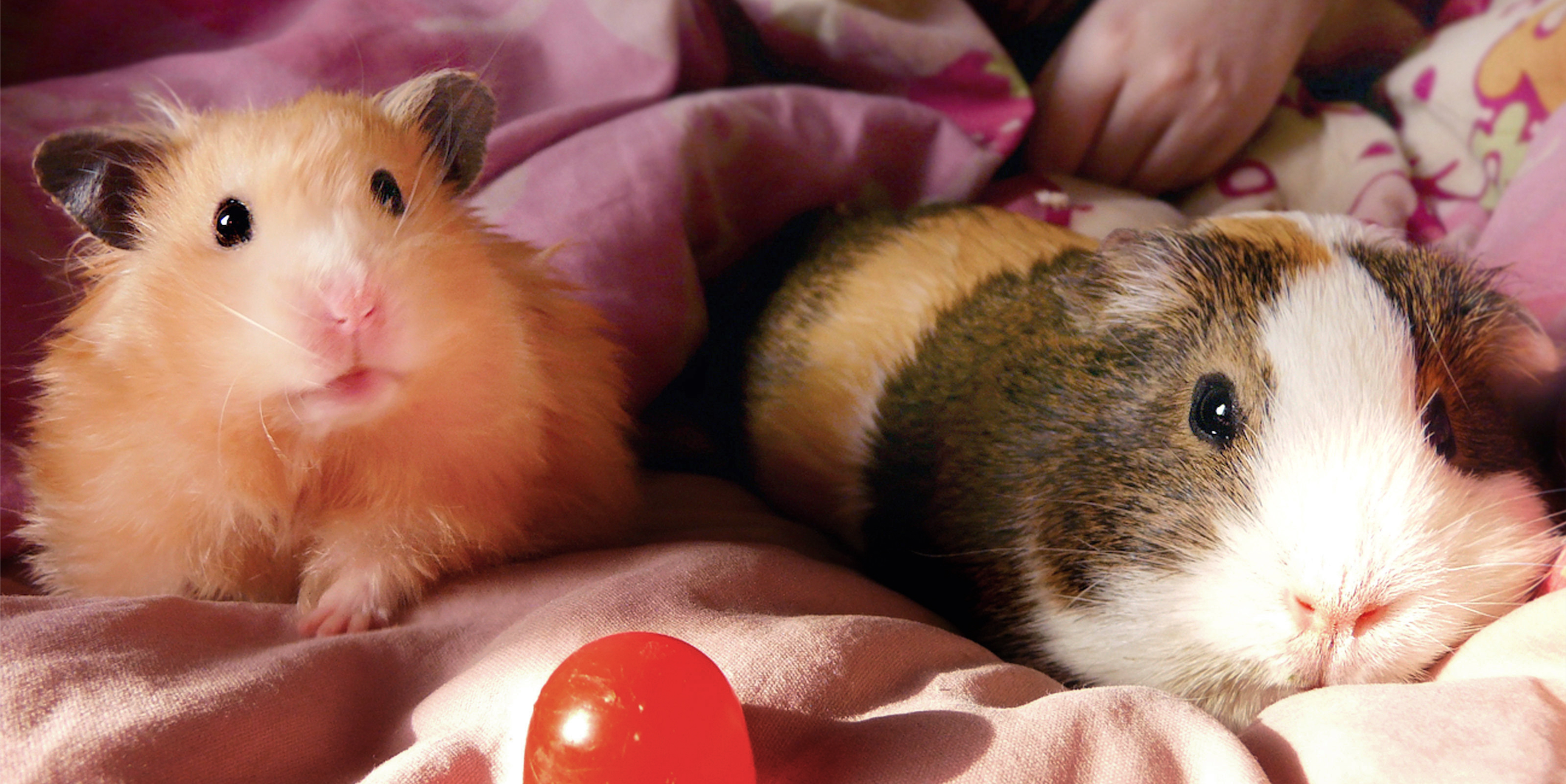
- Ginepigler hamsterlara göre çok daha sosyaldirler. Tek başlarına mutsuz ve stresli olabilirler. Hamsterlar ise genellikle tek başına yaşamayı tercih ederler ve diğer hamsterlarla birlikteyken agresif olabilirler.
- Hamsterlar genellikle gece boyunca aktiftirler. Ginepigler ise gündüz boyunca daha aktif olup, gece ve gündüz arasında kısa süreli uyuklarlar.
- Ginepiglerin hamsterlara göre daha geniş bir yaşam alanına ihtiyaçları vardır. Tüyleri daha uzun ve kalındır, bu yüzden düzenli olarak taramak gerekebilir. Hamsterlar ise genellikle daha küçük bir yaşam alanında rahat ederler ve bakımları genellikle daha kolaydır.
Ginepigler ne yer?
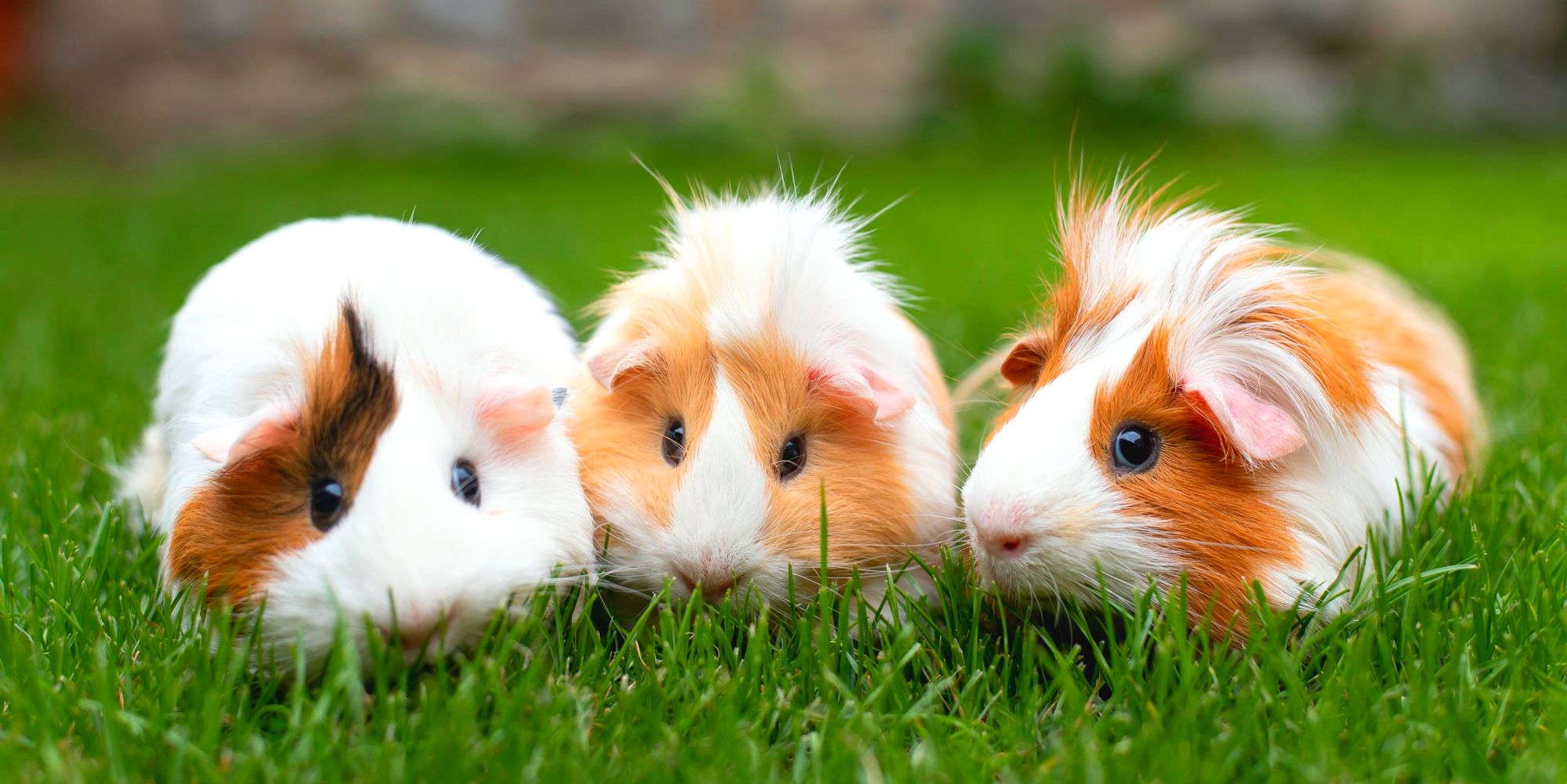
Ginepigler, otçul (herbivore) hayvanlardır ve beslenme düzenleri çeşitli sebze, meyve, yüksek lifli gıdalar ve onlara özel ginepig yemlerinden oluşur. Salatalık, havuç, biber, brokoli ve bezelye gibi sebzeler, taze otlar ve yonca genellikle onlar için güvenli ve sağlıklıdır. Ginepigler kendi vücutlarında C vitamini üretemedikleri için bu vitamini besinlerden ve takviyelerden almaları gerekir.
Meyveler, C vitamini kaynağı olsalar da yüksek şeker içerdikleri için haftada birkaç kez ve küçük miktarlarda vermekte fayda vardır. Elma, muz, çilek ve armut gibi meyveler genellikle ginepigler için güvenlidir. Ancak temel besinleri, yüksek lifli gıdalar ve gerekli vitamin ve mineralleri içeren özel ginepig yemleri olamlıdır. Ve tabii ki her zaman taze ve temiz su içebilmeleri önemlidir.
Ginepiglerin sindirim sistemleri hassastır. Bu nedenle yeni bir yiyecek deneyeceğiniz zaman önce küçük miktarlarda verin ve yavaş yavaş alışmasına yardımcı olun. Eğer ginepiginiz yiyeceğe olumsuz bir tepki gösterirse, o yiyeceği beslenmesinden çıkarın ve her zaman veterinerinizin beslenme önerilerini takip edin.
Ginepigler ne yememelidir?
Aşağıdaki gibi bazı yiyecekler ginepiglerin hassas sindirim sistemlerine zarar verebilir.
- Zehirli bahçe bitkileri
- Soğan, sarımsak, pırasa
- Çiğ veya pişmiş patates (özellikle yeşil olanlar daha da zararlıdır)
- Çikolata ve şekerli gıdalar
- Et ve süt ürünleri
- Avokado
- Kavrulmuş ya da baharatlı yiyecekler
- Mantarlar
Ginepigler kaç yıl yaşar?
Ginepiglerin yaşam süresi genetik, beslenme, bakım, yaşam koşulları ve veteriner hizmetlerine erişim gibi bir dizi faktöre bağlıdır, ancak genel olarak sağlıklı bir ginepigin ortalama yaşam süresi 4-8 yıl arasındadır. Ancak bazı ginepigler 10 yıla kadar yaşayabilirler.
Ginepigler neden ses çıkarır?
Ginepigler, duygusal durumlarını, isteklerini ve ihtiyaçlarını ifade etmek için çeşitli sesler çıkarırlar. Örneğin yüksek sesle tıslama gibi bir ses çıkarmaları sevinçli ve heyecanlı oldukları anlamına gelir. Eğer tiz bir şekilde çığlık atıyorlarsa korktuklarını ya da acı çektiklerini anlayabilirsiniz. Ginepigler flört ettikleri veya bir diğer ginepigle etkileşime girdikleri zaman guruldama sesi çıkarabilirler. Hırıldıyorsa keyiflidir. Eğer gıcırdama gibi bir ses çıkarıyorsa ısırmaya hazırlanıyor olabilir.
Bu seslerin anlamları geneldir ve belirli durumlarda, ginepigin karakterine göre farklılık gösterebilir. Sizinle yaşayan ginepiglerin beden dili ve genel davranışlarını gözlemleyerek de onların duygusal durumları hakkında önemli ipuçları edinebilirsiniz.
Ginepigler ne zaman çiftleşir?
Erkek ginepigler genellikle 2-3 aylıkken, dişi ginepigler genellikle 4-5 aylıkken cinsel olgunluğa ulaşır, ancak ideal çiftleşme yaşı 4-6 ay arasıdır. Erken çiftleşme özellikle dişi ginepiglerde sağlık sorunlarına yol açabilir.
Dişi ginepiglerin östrus döngüsü (çiftleşmeye hazır oldukları dönem) yaklaşık 16 gün sürer ve bu döngünün içerisinde yaklaşık 6-11 saatlik bir 'ısı' dönemi bulunur. Bu, dişi ginepiglerin çiftleşmek için en uygun olduğu zamandır.
Ginepigler kaç tane doğurur?
Ginepigler, genellikle bir seferde 2-4 yavru doğurur, ancak bu sayı genetik, yaş, sağlık durumu ve beslenme gibi faktörlere bağlı olarak 1 ile 6 arasında değişebilir.
Ginepigler nasıl uyur?
Ginepigler, gündüz ve gece boyunca kısa sürelerle uykuya geçerler. Uyku döngüleri insanlara göre çok kısadır. Uykuları genellikle birkaç dakika ila birkaç saat arasında değişir ve bu süreler boyunca genellikle gözleri kapalı olur, ancak bazen gözleri açıkken de uyuyabilirler. Genellikle kafeslerinde sakin ve sessiz bir ortamda uykuya geçerler, bu nedenle onların uyku alanının gürültüden ve aşırı hareketten uzak olması önemlidir. Uykuları oldukça hafiftir, hafif bir ses veya hareketle hemen uyanırlar. Ayrıca, uyandıklarında taze su ve yiyecek bulabilmeleri önemlidir, çünkü genellikle uyandıktan hemen sonra yemek yemek isterler.
Ginepigler neden titrer?
Ginepigler heyecanlandıklarında, korku veya endişe hissettiklerinde, üşüdüklerinde titreyebilirler. Ayrıca titreme, ginepiginizin hasta olduğunun bir belirtisi de olabilir. Özellikle iştahsızlık, hareketsizlik veya anormal dışkılama gibi diğer belirtiler de titremeye eşlik ediyorsa mutlaka bir veteriner hekime başvurun.
Ginepigler nasıl mutlu olur?
Dengeli beslenme, temiz, geniş ve güvenli bir yaşam alanı, düzenli fiziksel aktivite, diğer ginepiglerle sosyalleşme, oyun oynama ginepiglerin mutlu bir yaşam sürmelerin yardımcı olan faktörlerdir. Ayrıca uzun ve sağlıklı bir yaşam sürebilmeleri için düzenli veteriner kontrollerini de aksatmamak önemlidir.


Yorumlar (0)