

Hamster kafesi nasıl olmalı, nasıl temizlenmeli?




Hamster kafesi nasıl olmalı?
Kafes hamsterınızın çoğu zamanını geçirdiği yer olduğu için, doğru kafes seçimi onun sağlığı ve mutluluğu açısından son derece önemlidir. Kafes hem güvenli olmalı hem de hamsterınızın rahat hareket edip eğlenebildiği, egzersiz yapabildiği yaşam alanını sağlamalıdır.
Peki hamsterınız için en uygun kafes nasıl olmalı?
- Avantaj ve dezavantajlarıyla kafes malzemeleri: Hamster kafesi metal, plastik veya cam malzemeden yapılmış olabilir. Metal kafesler, metal taban hamsterınızın ayaklarına zarar verebileceği için plastik tabanlı olur ve havalandırması genellikle iyidir. Cam kafeslerin ise temizlenmesi daha kolaydır ve hamsterınızın kemirebileceği bir malzeme değildir, ancak havalandırma konusunda sorunlar yaşayabilirsiniz. Plastik kafeslerin fiyatları genellikle çok uygun olsa da hamsterlar plastik parçaları kemirirler ve bu da sağlık sorunlarına yol açabilir.
- Uygun ölçüler: Kafesin boyutu hamster türünüze bağlı olarak değişebilir. Genel bir kural olarak, bir Suriye hamsteri için en az 60 cm x 30 cm boyutunda bir kafes gereklidir. Cüce hamsterlar için daha küçük bir kafes düşünebilirsiniz, ancak hala bol miktarda hareket alanına sahip olmaları gerekir. Ayrıca hamsterınızın rahatça tırmanması ve keşif yapabilmesi için kafes yüksekliği de uygun olmalıdır.
- Güvenlik: Kafesin kapıları ve diğer açıklıkları, hamsterınızın kaçmasını önleyecek şekilde olmalıdır. Eğer kafes tel ise, teller arasındaki mesafenin hamsterınızın başını sıkıştıramayacağı yakınlıkta olması gerekir. Ayrıca hamsterınızın ayaklarının sıkışmaması ve zarar görmemesi için kafesin tabanı düz olmalıdır. Kafesteki oyuncak ve aksesuarların güvenli olduğunu da kontrol etmek önemlidir. Keskin kenarları ve hamsterınızın sıkışabileceği küçük boşlukları olmamalıdır.
- Kafesin konumu: Kafesi, hamsterınızın doğrudan güneş ışığına maruz kalmayacağı ve sıcaklık değişikliklerinden etkilenmeyeceği bir yere koyun. Ayrıca, strese neden olabileceği için gürültülü alanlardan uzak olmasına da dikkat edin.
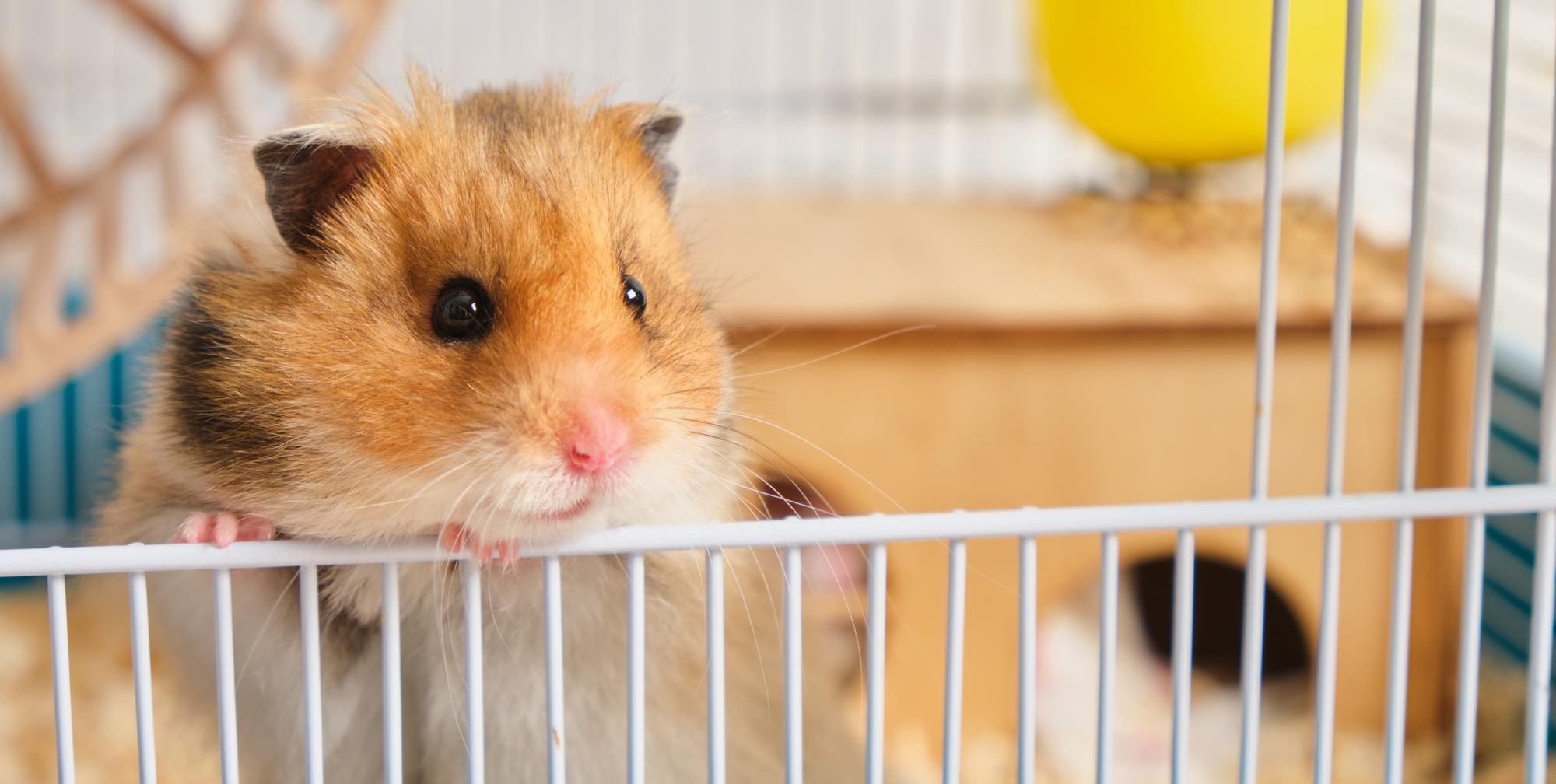
Hamster kafesinde ne olmalı?
Kafesin içini hamsterınızın zihinsel ve fiziksel sağlığını destekleyecek şekilde düzenlemelisiniz. Her türün farklı özellikleri ve gereksinimleri olabilir ancak genel olarak bir hamster kafesinde olması gereken temel eşyalar şunlardır:
- Yatak: Hamsterlar, yuva yapmak ve uyumak için yeterli miktarda yatak malzemesine ihtiyaç duyarlar. Kağıt bazlı yatak malzemesi genellikle en iyi seçenektir. Bazen ahşap talaşı da tercih edilebilir, ancak özellikle sedir ve çam gibi bazı türler hamsterlar için zararlı olabilir. Yatak hamsterınızın tünel kazabileceği kadar derin olmalıdır.
- Egzersiz tekerleği: Hamsterlar, büyük miktarda enerjiye sahip aktif hayvanlardır ve bu enerjiyi kullanmak için bir egzersiz tekerleği gereklidir. Tekerlek, hamsterınızın sırtını, bükmeden ve zorlamadan koşabileceği büyüklükte olmalıdır.
- Beslenme ve su kapları: Hamsterınızın sürekli taze yiyecek ve suya erişimi olmalıdır. Yem kabı ağır ve devrilmeye karşı dayanıklı olmalıdır. Ayrıca, bir su şişesi sağlamanız ve düzenli olarak temizlemeye dikkat etmeniz önemlidir.
- Oyuncaklar, tünel ve tırmanma yapıları: Hamsterlar, tünel kazmayı, tırmanmayı ve keşif yapmayı severler. Oyuncaklar, tüneller, saklanma yerleri, tırmanma yapıları hamsterınızın çevresiyle etkileşim kurmasına yardımcı olur ve zihinsel uyarılma sağlar.
- Çiğneme malzemeleri: Hamsterlar gibi kemirgenlerde çiğneme, diş sağlığı için son derece önemlidir. Hamsterlar, dişlerinin sürekli büyümesini kontrol altında tutmak için çiğneme malzemelerine ihtiyaç duyarlar. Kafese çiğnemek için uygun ve güvenli ağaç parçaları veya hamsterlar için özel olarak yapılmış çiğneme oyuncakları koyabilirsiniz.
- Saklanma yeri: Kafese koyacağınız bir tahta kutu, seramik ev veya hamster evi gibi saklanma yerleri hamsterınızın kendini güvende hissetmesini sağlar.
- Kum banyosu: Bazı hamster türleri, özellikle cüce hamsterlar, kum banyosu yapmayı severler. Kum banyosu, onlar için hem eğlenceli bir etkinliktir hem de tüylerini temizlemesine yardımcı olur.
Hamster kafesi kaç günde bir temizlenmeli?
Hamster kafesinin temizlik sıklığı, genellikle hamsterınızın türüne, boyutuna, yaşına ve kafesin boyutuna bağlı olarak değişebilir. Ancak genellikle her gün yapmanız gereken rutin temizliğin yanında her hafta derin temizlik yapmanız gerekir.
- Günlük temizlik: Her gün düzenli olarak kafesteki çöpleri ve taze olmayan yiyecekleri atın. Hasterınızın tuvalet alanı olarak kullandığı kısmı temizleyin. Ayrıca su şişesini ve yem kabını kontrol edip, gerektiğinde temizleyip yeniden doldurun.
- Haftalık temizlik: Haftalık temizlik daha detaylı olmalıdır. Her hafta kafesteki tüm yatak malzemesini atıp yenileyin. Ayrıca kafesi ve içindeki her şeyi (tekerlek, oyuncaklar, yem kabı vb.) sıcak sabunlu su ile iyice yıkayın.
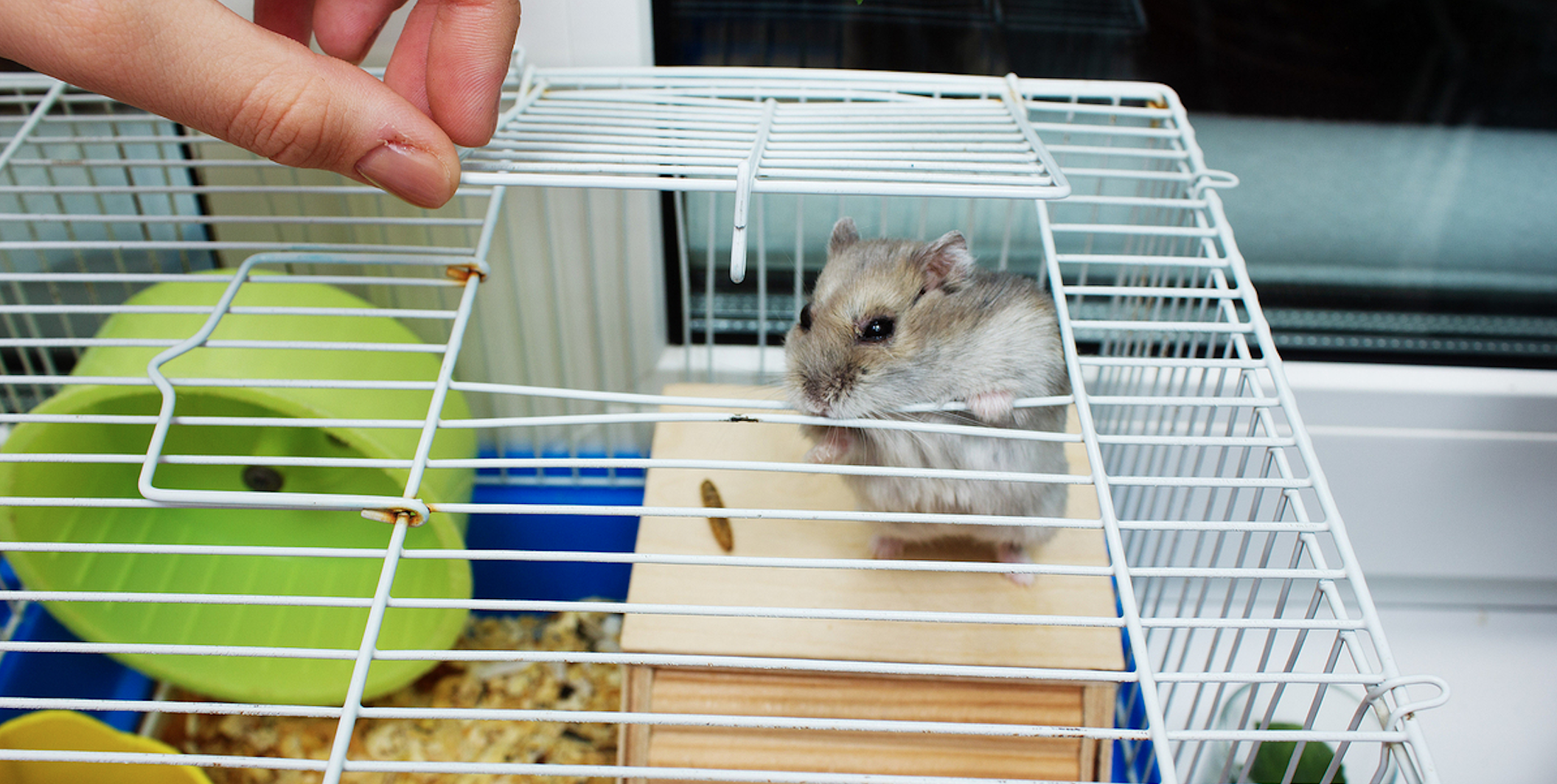
Hamster kafesi temizliği nasıl yapılır?
Kafesin temizliği ve bakımı hamsterınızın sağlıklı ve mutlu olması için çok önemlidir. Kafesi temizlerken dikkat etmeniz gereken birkaç detay var:
- Temizlik malzemesi olarak bir temizleme spreyi veya sıcak sabunlu su kullanabilirsiniz. Ancak, kullandığınız malzeme mutlaka hayvan dostu ve hamsterınıza zarar vermeyecek türden olmalı.
- Kafesi ve tüm ekipmanları iyice duruladıktan sonra tamamen kurumalarını bekleyin, daha sonra hamsterınızı geri koyun.
- Özellikle temizlik sırasında huzursuz olabilecek veya korkabilecek bir hamsterınız varsa kafes temizlenirken onu taşıma kafesi, oyun parkı veya başka bir güvenli yerde tutun.
- Kafesin tamamen temizlenmesi hamsterları strese sokabilir. Kendi kokularını almak, kendi bölgelerini tanımak onların kendilerini güvende hissetmelerine yardımcı olur. Bu nedenle, bir miktar eski yatak malzemesini saklayıp, temizlik sonrası geri koyabilirsiniz ya da kafesin yarısını bir hafta, diğer yarısını sonraki hafta temizleyebilirsiniz.


Yorumlar (0)