

Kediler neden tüy döker? Aşırı tüy dökülmesi nasıl önlenir?




Kediler neden tüy döker?
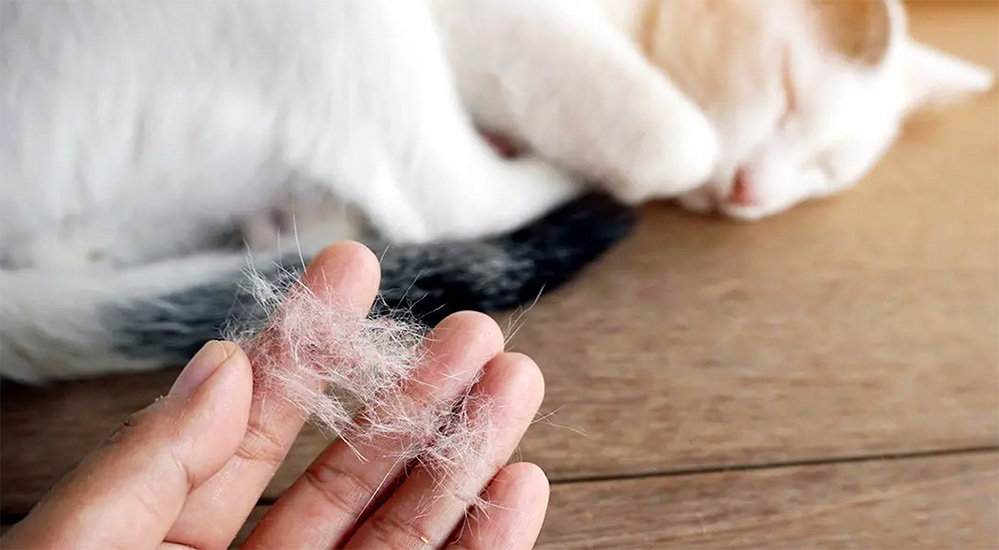
Kedilerde tüy dökülmesi doğal ve sağlıklı bir süreçtir. Ancak aşırı tüy dökülmesi, bazı sağlık sorunlarının bir işareti olabilir. Mevsimsel değişiklikler, yanlış beslenmeden kaynaklanan vitamin, protein eksikliği gibi besin yetersizlikleri, pire, kene gibi kedilerin tüylerinin arasına yerleşen bazı parazitler, stresli durumlar ya da egzama, mantar enfeksiyonu gibi bazı cilt sorunları kedilerde aşırı tüy dökülmesine neden olabilir. Tedavi genellikle sorunun kaynağına göre belirlenir. Kedinizin normalden fazla tüy döktüğünü düşünüyorsanız mutlaka bir veteriner hekime danışın.
Kedilerde mevsimsel tüy dökülmesi
Kediler, tüylerini mevsimsel olarak döken hayvanlardır. Kedinin cilt ve tüy yapısına göre değişebilse de genellikle ilkbahar ve sonbahar aylarında daha fazla tüy dökerler. Mevsimsel tüy dökülmesi, tüylerin yenilenmesine yardımcı olur; ilkbaharda dökülen tüylerin yerine çıkan daha ince tüyler kedinizin yaz mevsimini daha serin geçirmesini sağlar. Sonbaharda dökülen cılız tüylerin yerine ise kedinizin kışın ısınmasına yardımcı olacak daha kalın tüyler çıkar. Tüy dökme mevsiminde sağlıklı tüyler için kedinizin normalden biraz daha fazla ilgiye ihtiyacı olabilir. Örneğin kedinizin sağlıklı beslenmesine dikkat edin, tüylerini düzenli olarak fırçalayın ve yaşam alanını temiz tutun.
Kedilerin tüy dökme mevsimi ne zaman biter?
Kediler genellikle ilkbahar ve sonbahar aylarında tüy dökseler de kedinin cilt ve tüy yapısına ve yaşına bağlı olarak, tüy dökme mevsimi farklı zamanlarda başlayabilir ve farklı sürelerde devam edebilir. Genellikle, tüy dökme mevsimi yaklaşık 2-3 hafta sürer ve kedinin tüylerinin yenilenmesi tamamlandıktan sonra sona erer. Ancak bazı kedilerde bu süreç kedinin sağlık durumu, yaşam koşulları ve beslenme gibi faktörlere bağlı olarak daha uzun sürebilir.

Kedilerde beslenme kaynaklı tüy dökülmesi
Kedilerin yetersiz veya dengesiz beslenmesi de aşırı tüy dökmesine neden olabilir. Kedinizin vücudu için gerekli olan protein, vitamin ve mineralleri yeterli miktarda almaması, tüylerinin sağlıklı bir şekilde büyümesini ve yenilenmesini engelleyebilir. Ayrıca bu beslenme yetersizliği tüylerin matlaşmasına, incelmesine, seyrelmesine ve hatta tamamen dökülerek kedinin çıplak kalmasına neden olabilir. Bu sorunun nedenleri genellikle yanlış ve kalitesiz kedi mamaları, yetersiz beslenme ya da kedide besin emilimini engelleyen sindirim sorunlarıdır. Dengeli beslenme, yeterli su tüketimi ve düzenli veteriner kontrolüyle bu problem tamamen ortadan kalkabilir.
Kedilerde parazitlerin neden olduğu tüy dökülmesi
Kedinin cildinde ve tüylerinde yaşayan ve çoğalan bazı parazitler tahrişe, kaşıntıya ve hatta enfeksiyonlara neden olarak aşırı tüy dökülmesini tetikleyebilir. Bu parazitler arasında pireler, bitler, kene ve akarlar gibi dış parazitler ile mantarlar ve deri altı parazitlerini sayabiliriz. Eğer kedinizin ağız ve burun çevresinde, kulaklarında, kuyruğunda veya vücudunun herhangi bir yerinde kaşıntı, kepek, siyah döküntüler, kabuklu yaralar ve tüy dökülmesi fark ettiyseniz, parazitlerden kaynaklanan bir sorundan şüphelenebilirsiniz. Kedinize düzenli olarak pire, kene ve mantar kontrolü ve en az 2 ayda bir iç ve dış parazit uygulamalarını yaptırarak ve kedinizin kullandığı eşyaları düzenli olarak temizleyerek bu sorunu önleyebilirsiniz.
Kedilerde strese bağlı tüy dökülmesi
Kediler çeşitli stres faktörleriyle karşı karşıya kaldıklarında da aşırı tüy dökebilirler. Örneğin evdeki değişiklikler, eve yeni bir hayvanın gelmesi, evdeki rutinin değişmesi, yüksek ses veya hareketlilik kedinizi strese sokabilir ve bu stres kedinizin hormon dengesini bozarak tüylerinin sağlıklı bir şekilde uzamasını ve yenilenmesini engelleyebilir. Dökülmenin yanında tüylerde matlaşma ve incelme meydana gelebilir. Önlemenin tek yolu kedinizin maruz kaldığı stresi azaltmaktır. Onunla oynayın, zaman geçirin, iyi beslenmesini sağlayın, sevdiği oyuncaklarını verin ve rahatlamasını sağlayın. Eğer yine de düzelmiyorsa veteriner hekiminize danışın.
Kedilerde cilt problemlerinden kaynaklanan tüy dökülmesi
Ciltteki enfeksiyonlar, alerjiler, mantar enfeksiyonları, deri döküntüleri veya diğer cilt rahatsızlıkları kedilerde tüy dökülmesinin bir diğer nedenidir. Cilt problemleri, tüylerin sağlıklı bir şekilde büyümesini ve yenilenmesini engelleyerek tüylerde matlaşma, incelme, dökülme gibi sorunlara neden olabilir. Eğer kedinizin cildinde kırmızı veya beyaz renkli sivilceler, kabarcıklar veya kabuklu yaralar görüyorsanız bunların nedeni herhangi bir cilt rahatsızlığı olabilir. Tedavide genellikle beslenme desteği ve cilt bakım ürünleri kullanılır ve tüy dökülmesi tedaviden sonra genellikle tamamen düzelir. Tedavi süreci mutlaka bir veteriner hekim tarafından takip edilmelidir.
Kedilerde tüy dökülmesi için ilaç ve vitaminler
Kedilerde tüy dökülmesinin, incelmesinin veya matlaşmasının önlenmesinde ve tedavisinde genellikle omega-3 yağ asitleri, biotin, çinko, metiyonin ve taurin gibi vitamin ve mineral takviyeleri, protein takviyeleri önerilir. Cilt problemleri için ise, antihistaminik ilaçlar, kortikosteroidler veya antifungal ilaçlar kullanılabilir. Uygun kullanım ve dozajlar mutlaka bir veteriner hekim tarafından belirlenmelidir. Bazı ilaçlar, kedinin yaşına, kilosuna ve sağlık durumuna bağlı olarak değişebilir. Ayrıca tüy bakımı için şampuan, saç kremi ve tüy fırçası gibi ürünler de kullanılabilir. Tüy dökülmesi genellikle altta yatan bir sağlık sorununun belirtisidir ve ilaç tedavisi yalnızca semptomları hafifletmek için kullanılmalıdır.
Kedilerin tüy dökmemesi için mama
Kedilerde tüy dökülmesini önlemek için, yüksek kaliteli, dengeli ve besleyici bir kedi maması kullanmak önemlidir. İyi bir kedi maması, kedilerin tüm besin ihtiyaçlarını karşılayacak, yeterli miktarda protein, yağ, vitamin ve mineral içerecek şekilde formüle edilmiştir. Hatta bazı mamalar kedilerin tüy sağlığına özel üretilmiştir. Bu mamalarda diğer besinlere ek olarak omega-3 yağ asitleri de bulunabilir. Ancak, tüy dökülmesine bir sağlık sorunu neden oluyorsa mama değişikliğinin bir etkisi olmaz. Bununla beraber bazı durumlarda da altta yatan hastalığı tedavi etmek icin özel tedavi mamaları kullanılır ve bu mamalar veteriner hekim tarafından verilir. Böyle bir durumda mutlaka bir veteriner hekime danışmak gerekir.
Kedilerde bölgesel tüy dökülmesi
Mantar enfeksiyonları, alerjik reaksiyonlar, yaralanmalar, enfeksiyonlar veya parazitler bazen bir bölgede tüylerin yoğun bir şekilde dökülmesine neden olabilir. Tüylerin döküldüğü bölgede kaşıntı, tahriş, kızarıklık veya iltihaplanma gibi belirtiler de gözlenebilir. Tedavi yöntemi altta yatan nedene ve durumun ciddiyetine göre belirlenir. Mantar enfeksiyonları gibi bazı durumlarda anti-fungal ilaçlar, alerjik reaksiyonlar için anti-histaminik ilaçlar kullanılabilir. Yaralanmalar ve enfeksiyonlar ise genellikle antibiyotikle tedavi edilir.
Kedilerde tüy dökülmesi nasıl önlenir?
Kedilerde tüy dökülmesini önlemenin kesin bir yöntemi yoktur. Ancak aşağıdaki bazı ipuçları tüy dökülmesi miktarını azaltmanıza yardımcı olabilir:
- Kedinizin iyi beslenmesini, yeterli vitamin ve mineral almasını sağlayın. Besinlerine doğru miktarlarda besin takviyesi ve yağ asitleri ekleyin. Ona kilosuna uygun yiyecekler verin.
- Kontrollerini ve aşılarını aksatmayın.
- Tüylerini uygun fırçayla düzenli olarak tarayın ve fırçalayın
- Kedinizin tüylerini kesmeyin.
- Sık sık suyunu değiştirin, su ve mama kaplarını temiz tutun.
- Kedinizin stres seviyesini azaltın.
- Aşırı yüksek sıcağa maruz kalmasını engelleyin.
- Kedinizin yaşam alanını temiz tutun.
- Kedinizi mecbur kalmadıkça yıkmayın, kediler kendilerini temizleyebilen hayvanlardır ve sudan hoşlanmazlar.


Yorumlar (0)