

Kedilerin bıyıkları ne işe yarar?




Kedilerin bıyıkları neden önemlidir?
Kedilerin bıyıkları (bilimsel adıyla vibrissae), oldukça hassas algılama organlarıdır ve bir dizi önemli işlevi vardır. Her bıyığın kökünde, ona gelen bilgileri beyne ileten bir sinir ağı bulunur ve kedinin derisinin çok daha altına kadar uzanır. Kediler bu sinir ağlarıyla çevrelerini algılayabilir, avlanabilir, hatta duygusal durumlarını ifade edebilirler. Kedilerin bıyıklarını kesmek veya zarar vermek, onların bu önemli duyu organından mahrum kalmalarına, dengesizlik, dezorientasyon ve korku yaşamalarına neden olur.
Kedilerin bıyıkları ne işe yarar?
Çevrelerini algılamalarına ve yol bulmalarına yardımcı olur
Kedilerin bıyıkları, son derece hassas organlardır ve karanlıkta veya görüşlerinin sınırlı olduğu durumlarda bile çevrelerini anlamalarına yardımcı olur. Bıyıklardaki sinir uçları, hava akımındaki hafif değişiklikleri bile algılayabilir. Kedi, başını sallayarak bıyıklarıyla hava akışını hisseder ve kendisine yaklaşan bir cismin veya varlığın hızını ve yönünü bu sayede belirleyebilir.
Bıyıklar ayrıca kedinin dar bir alanın içinden geçip geçemeyeceğini belirlemesine yardımcı olur. Bir kedinin bıyıkları genellikle vücudu ile aynı genişliktedir. Eğer bıyıkları bir aralığa girmeye çalışırken kıvrılıyorsa vücudunun da sığmayabileceğini düşünür.
Ayrıca kediler hassas bıyıkları ile bir nesneye hafifçe dokunduklarında nesnenin dokusunu ve şeklini algılarlar. Bu yetenek özellikle avlanırken ya da çevredeki nesnelerle iletişim kurarken son derece faydalıdır.
Avlanmalarını kolaylaştırır
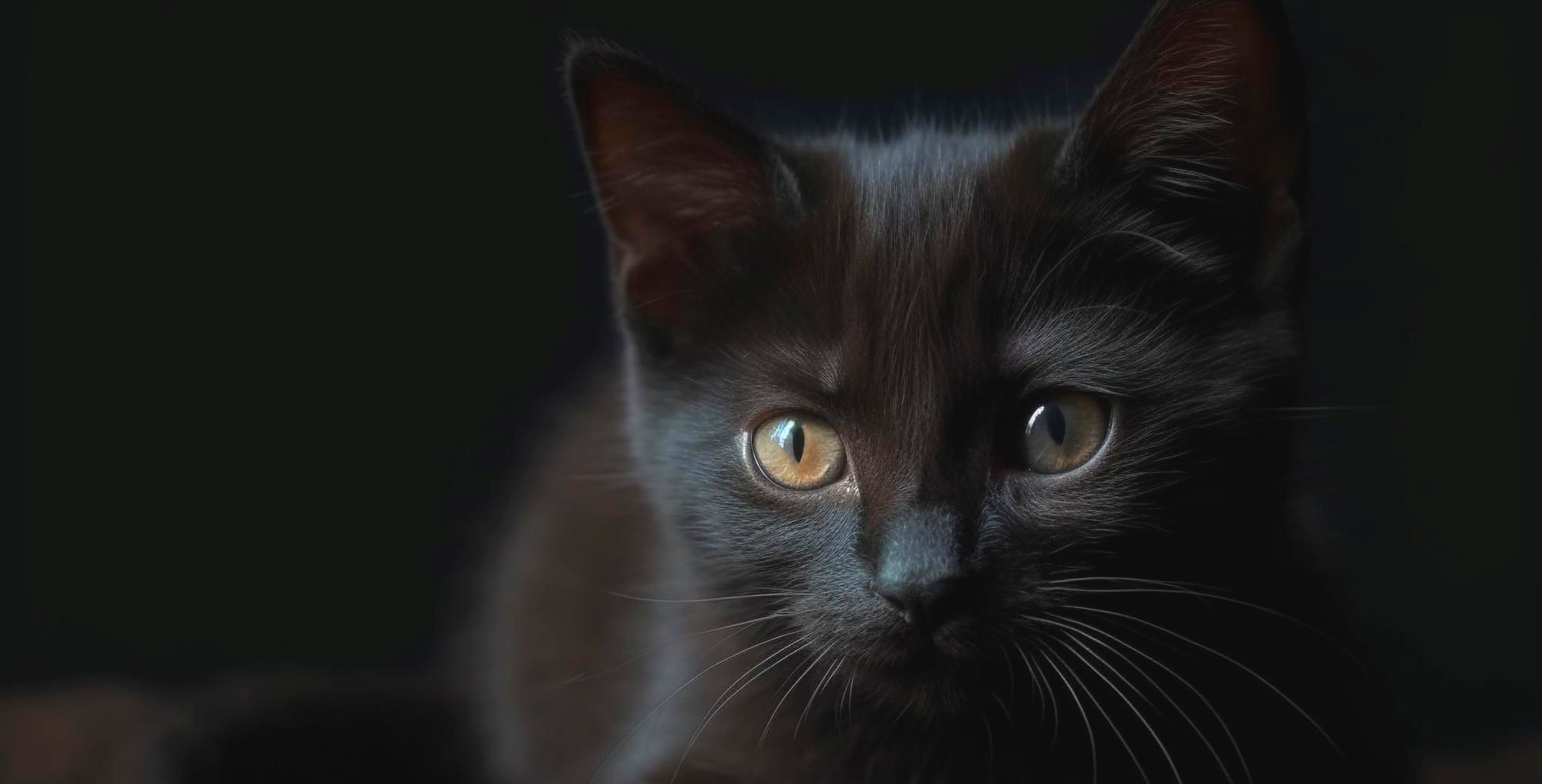
Bıyıklar, kedilerin avlanma becerilerinin kritik bir parçasıdır. Avlarını etkili bir şekilde yakalamalarını ve hedeflerini kaçırmamalarını sağlar. Özellikle karanlıkta avlanırken, avlarının boyutunu, şeklini ve hatta yönünü ve hızını belirlemelerine yardımcı olur. Kedi bu bilgilerle avını nasıl yakalayacağına karar verir.
Bunun yanı sıra, bıyıklar, avın hareketlerini algılamada da önemli rol oynar. Eğer av hızlı hareket ediyorsa veya aniden yön değiştirirse, bıyıklar bu hareketi algılar ve kediye avının nerede olduğunun ve hangi yöne gittiğinin sinyallerini verir.
Duygusal durumlarını ifade etme araçlarından biridir
Kediler, bıyıklarını kullanarak çeşitli duygusal durumları ifade edebilirler. Örneğin:
- Rahatlık veya memnuniyet: Kediler rahat hissetiklerinde veya mutlu olduklarında bıyıklarını genellikle düz ve yana doğru uzatırlar.
- Korku veya endişe: Kediler korkutucu bir durumla karşı karşıya olduklarında veya bir tehdit hissettiklerinde bıyıklarını geriye doğru çekerler.
- Merak: Bir şeyleri incelerken, yeni bir nesne veya ortamı keşfederken ya da bir avı takip ederken bıyıkları genellikle ileri doğru uzanır ve dışa doğru genişler.
- Agresyon: Kediler agresif veya savunmacı bir durumdayken, bıyıklarını genellikle aşağıya doğru çekerler. Bu, bir kedinin saldırmaya veya kendini savunmaya hazır olduğunu gösterir.
Bıyık hareketlerine ek olarak, kedilerin kulaklarının, gözlerinin ve kuyruklarının hareketleri de onların duygusal durumları hakkında önemli bilgiler sağlar. Bu yüzden, bir kedinin duygusal durumunu tam olarak anlamak için, genellikle tüm bu işaretlere bakılması gerekir.
Kedilerin bıyıkları kesilir mi?
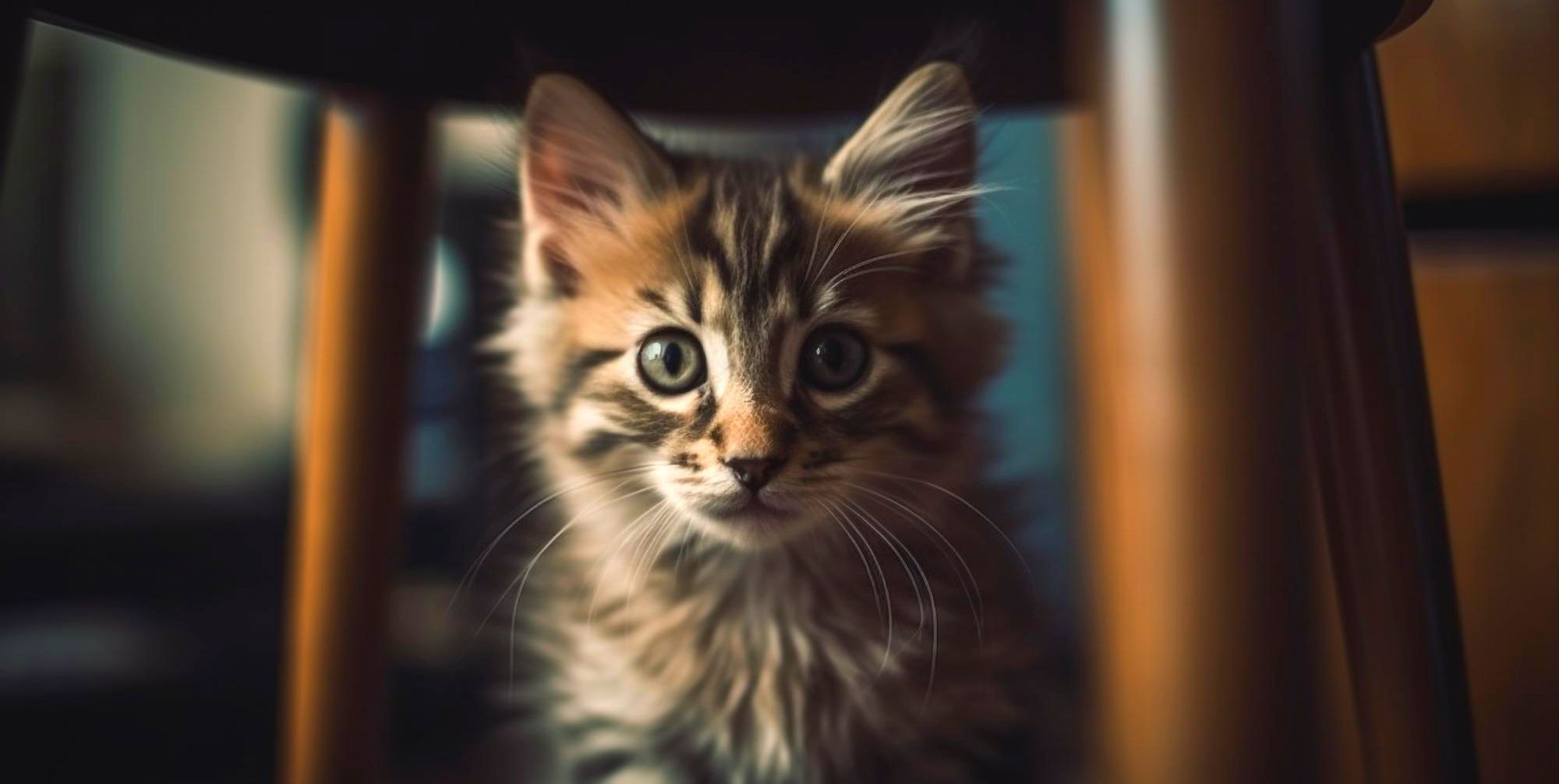
Kedilerin bıyıkları asla kesilmemelidir. Bıyıklar, kediler için hayati öneme sahip hassas duyu organlarıdır ve kesilmesi veya zarar görmesi, kedinin çevresini anlamasına ve dolayısıyla dünyayla etkileşim kurmasına zarar verebilir. Tehlikeli durumlara karşı onu savunmasız bırakır ve kendini kaygılı, korkmuş ve huzursuz hissetmesine neden olur. Ayrıca bıyıklar çok sayıda sinir ucu içerdiği için, kesilmeleri ağrı ve acı hissetmelerine neden olur.
Kedilerin bıyıkları dökülür mü? Neden?
Evet, kedilerin bıyıkları, tıpkı insanların saçları gibi dökülür ve yeniden çıkar. Ancak, kedilerin bıyıklarının dökülmesi genellikle tek tek olur ve bıyıkların tümünün veya büyük bir kısmının aynı anda dökülmesi çoğunlukla bir sorun olduğunun işaretidir.
Örneğin kediler oynarken, kavga ederken veya bir kaza sonucu bıyıkları birden fazla ya da tamamen dökülebilir. Ayrıca cilt hastalıkları, alerjiler, parazitler veya hormonal dengesizlikler gibi sağlık sorunları, aşırı stres veya anksiyete ya da yetersiz beslenme de kedilerde aşırı bıyık dökülmesine neden olabilir.
Eğer kedinizde normalin dışında bıyık dökülmesi fark ettiyseniz vakit kaybetmeden mutlaka bir veteriner hekime danışın.
Kedilerin bıyıkları uzar mı?
Evet, kedilerin bıyıkları tıpkı saçlar gibi uzar. Ancak, bir kedinin bıyıklarının boyutu genellikle genetik ve bireysel faktörlere bağlıdır. Bu nedenle belirli bir uzunluğa ulaştıktan sonra genellikle uzaması durur.


Yorumlar (0)