

Kedilerin patileri hakkında ilginç bilgiler




Kedi patileri ne işe yarar?
Kedilerin yumuşak, tatlı patileri, sandığımızdan çok daha fazla işlev ve göreve sahiptir. İşte kedi patileri hakkında bazı ilginç ve belki de bilinmeyen gerçekler:
Yer hareketlerini ve titreşimleri algılarlar
Kedilerin patileri, özellikle de parmak uçları, onların çevrelerindeki dünyayı anlamalarına yardımcı olan bir dizi duyusal reseptör içerir. Bu reseptörler, kedinin dokunma, basınç, sıcaklık ve hatta ağrıyı algılamasını sağlar. Ayrıca avının nerede olduğunu ya da bulunduğu ortamdaki olası tehlikeleri de bu reseptörler yardımıyla hissedebilir.
Kediler hassas patileriyle titreşimleri, yer hareketlerini, hatta en hafif hava hareketlerini bile algılayabilirler. Bu yetenek, yırtıcılara karşı tetikte olmalarını ve avlarını belirlemelerini sağlar. Ayrıca bir fare veya başka küçük bir hayvanın yer altında hareket ettiğini hassa patileriyle hissedebilirler.
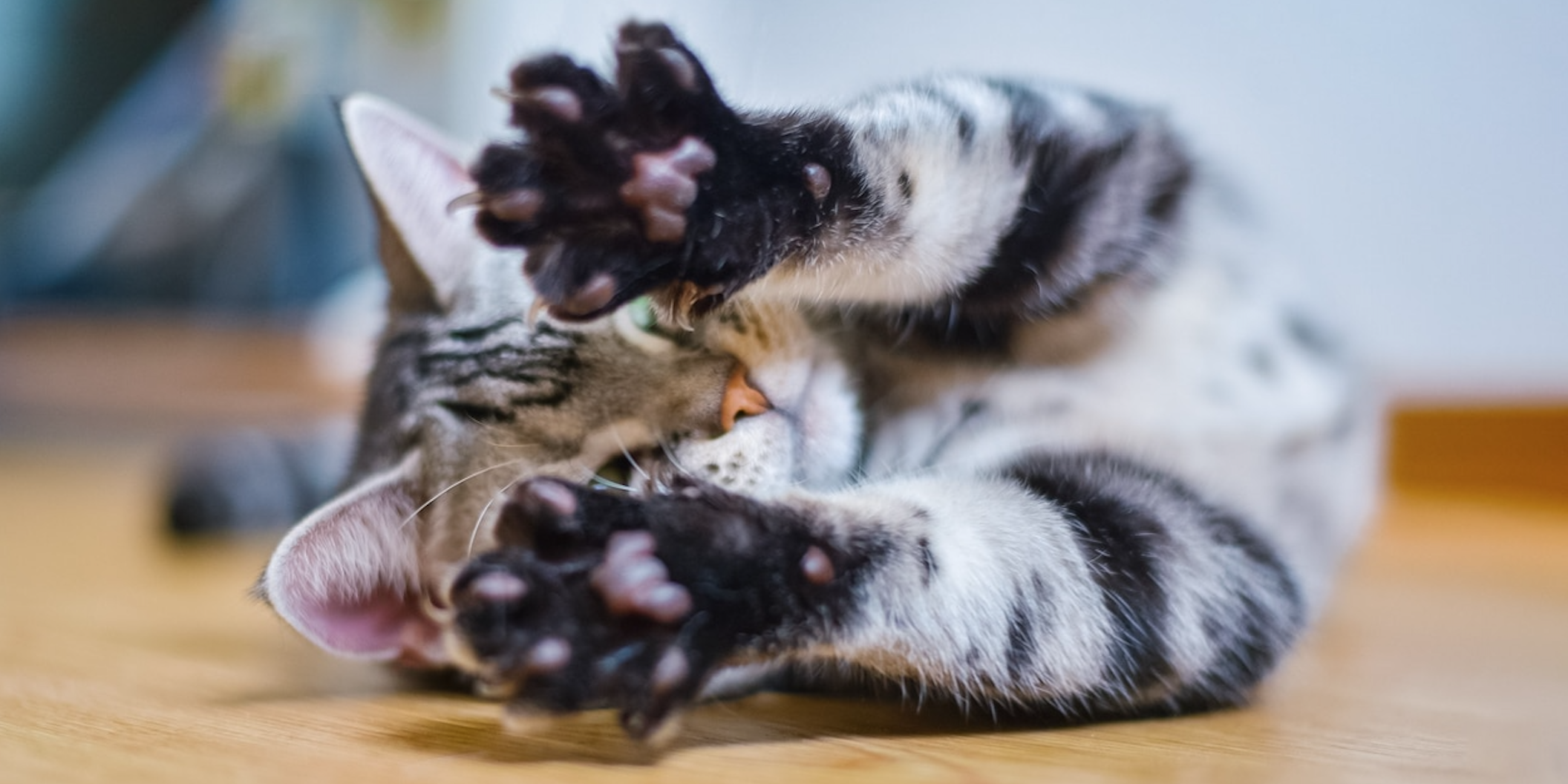
Sessiz patiler
Kediler, parmak uçlarına basarak yürüyen (digitigrade) hayvanlardır. İnsanlar ve ayılar gibi tabanına basarak yürüyen (plantigrade) hayvanlarla karşılaştırıldığında, bu yürüyüş tarzı, kedilerin daha hızlı ve daha sessiz hareket etmesini sağlar. Bu da özellikle avlanırken büyük bir avantajdır. Ek olarak patilerinin altında bulunan özel yastıkçıklar da her adımın sesini hafifleterek potansiyel avlarına sessizce yaklaşmalarını sağlar.
Kediler ev ortamında da oldukça sessizdirler, neredeyse hiç ses çıkarmadan odadan odaya geçerler, geceleri sizi uyandırmadan tüm evi dolaşabilirler. Bu özellikleriyle ev ortamına rahatça uyum sağlayabilirler.
Ter bezleri patilerdedir
Kediler, sıcak havalarda serinlemek ve vücut ısılarını dengelemek için birçok farklı yöntem yanında patilerini de kullanırlar. İnsanlar ve köpeklerin aksine kedilerin ter bezleri vücutlarından çok pati yastıklarındadır. Sıcak havalarda ya da heyecanlandıklarında patilerinden terlerler. Bu da sıcaktan korunmaları için yeterli değildir. Bu nedenle sıcak günlerde kedinize bol su verin ve serin bir yerde zaman geçirmesini sağlayın.
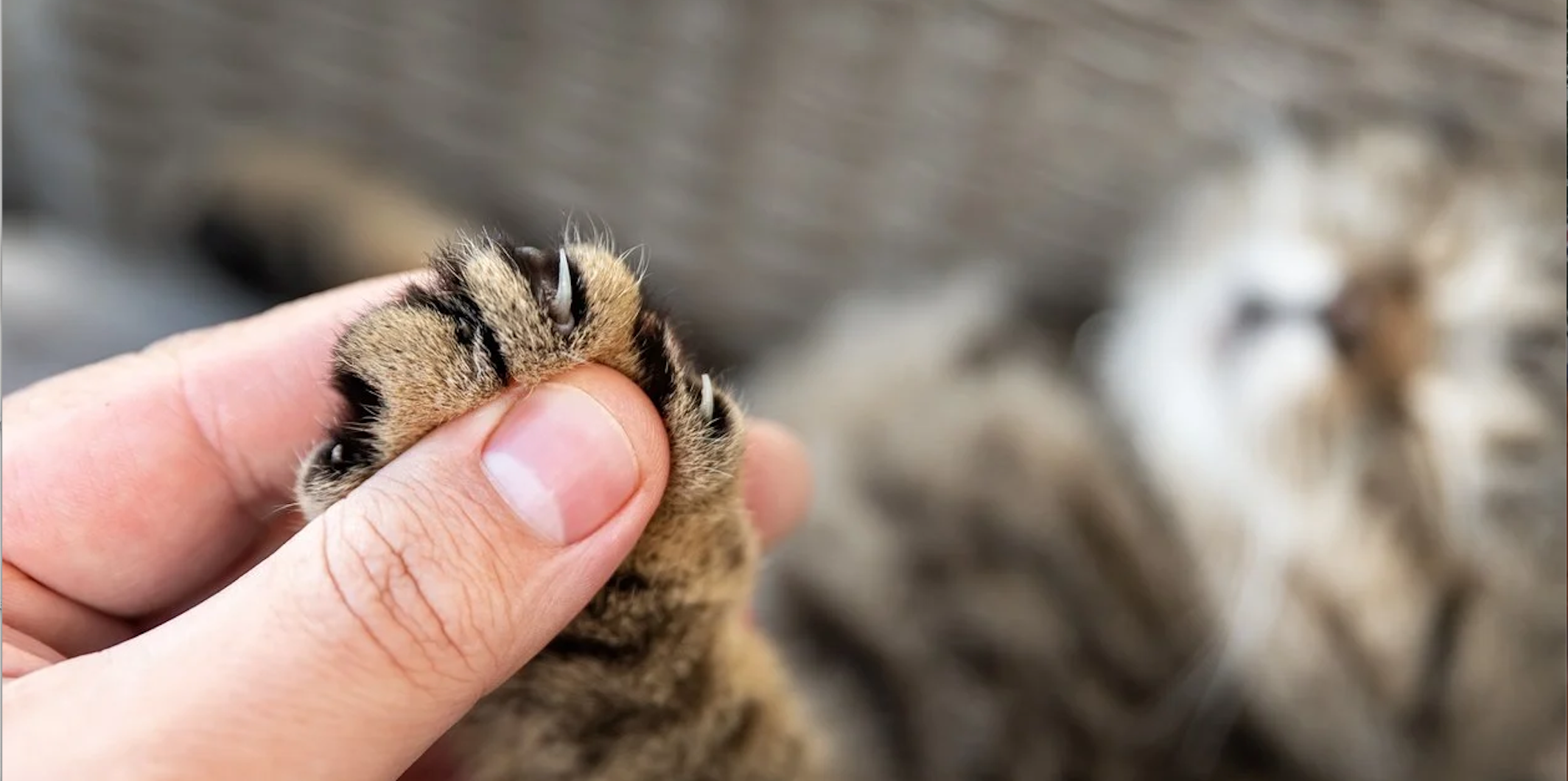
Tırmanma ve avlanmaya yardımcı olur
Kedilerin tırnakları genellikle içeriye doğru kıvrık ve keskin, ayak bilekleri ise diğer birçok hayvana göre daha hareketlidir. Bu özellikler onların ağaçlara veya diğer yüksek yerlere tırmanmasını, yüzeylere tutunmasını kolaylaştırır. Ayrıca bu keskin ve güçlü tırnaklar onların avlarını yakalamasına, kontrol etmesine ya da öldürmesine yardımcı olur.
İniş şokunu hafifletir
Kedilerin pati yastıkları, düşmeleri veya atlamaları sonucunda oluşan şoku emme yeteneğine sahiptir. Bu yastıklar, yağ dokusuyla doludur ve bu dokular, vücudun ağırlığını dağıtabilir ve darbelere karşı koruyabilir. Yani, bir kedi yüksek bir yerden atladığında veya düştüğünde, pati yastıkları darbenin çoğunu emer ve bu sayede kedinin iskelet sistemine gelebilecek zararlar azaltılır. Bu, kedilerin inanılmaz derecede yüksek yerlerden bile güvenli bir şekilde düşmelerine yardımcı olur. Ancak, bu mekanizma kedileri her tür yaralanmadan koruyamaz. Çok yüksekten düşmeler sonucunda, kedi ciddi yaralanmalara maruz kalabilir. Bu nedenle, kediniz yüksekten düşmesini engelleyebilecek her türlü önlemi almanız önemlidir.
Kediler patileriyle kendilerini temizlerler
Kediler, temizliğine son derece özen gösteren hayvanlardır, temizlik bir kedinin rahat ve mutlu hissetmesi için vazgeçilmezdir. Ayrıca tüy yumağı oluşumunu ve deri hastalıklarını da önlemeye yardımcı olur. Patiler kedilerin en önemli temizlik araçlarıdır. Ağızlarının ulaşamadığı yerleri patileriyle temizlerler. Önce patilerini yalarlar, sonra da yüzlerini, kulaklarını, kürklerini temizlemek için yalanmış patilerini kullanırlar.

Bölgelerini işaretlerler
Kedilerin patilerinde, özellikle tırnakları ve pati yastıklarının arasında, feromon salgılayan özel bezler bulunur. Kediler bir yüzeyi tırmaladıklarında veya üzerine bastıklarında, bu bezlerden feromon salgılanır. Diğer kediler tarafından algılanan bu feromonlar kediler arasındaki sosyal etkileşimlerin ve bölge işaretlemenin önemli bir parçasıdır. Bölgesini işaretleyen kedi diğer kedilere "Bu benim alanım" mesajını verir. Bu tür bir bölge işaretleme, özellikle birden çok kedinin aynı alanda yaşadığı durumlarda daha sık görülür.
Patiler korkutucu olabilir
Kediler, patilerini ve tırnaklarını potansiyel bir saldırganı caydırmak, tehdit etmek veya kendilerini savunmak için kullanabilirler. Uyarı amaçlı tırnaklarını çıkarmadan patilerini düşmana doğru sallayabilirler. Ya da tehdit altında hissettiğinde karşı tehdit olarak tırnaklarını çıkarabilir, kendilerini savunabilir ya da çok mecbur kalırlarsa saldırabilirler.

Kediler de solak olabilir
Bazı araştırmalarda kedilerin, tıpkı insanlar gibi belirli bir patiyi (sağ veya sol) daha baskın olarak kullanma eğiliminde olduğu gözlenmiştir. Örneğin bir araştırmada, kedilerin pati tercihlerini belirlemek için onlara bir kaseye ulaşmak veya bir oyuncakla oynamak çeşitli görevler verilmiş, ve bu görevleri yaparken hangi patilerini kullanmayı tercih ettikleri gözlenmiştir. Ve sonuçt olarak kedilerin belirli durumlarda belli bir patiyi daha çok kullanma eğiliminde olduğu görülmüştür. Bu da kedilerin "solak" veya "sağlak" olabilecekleri anlamına gelir. Ancak bu konuda daha fazla araştırmaya ihtiyaç vardır.
Pati izleri eşsizdir
Kedilerin pati izleri birbirine benzer gibi görünse de (dört küçük yastıkçık ve avuç içi) aslında her kedinin pati izi tıpkı insanların parmak izi gibi eşsizdir. Ancak bir kedinin pati izinin kesin bir şekilde tanımlanması zordur. Çünkü pati izlerinin netliği, yüzey tipi, yüzeyin nemli veya kuru olması, kedinin hareket hızı ve diğer birçok faktöre bağlıdır. Bu izler genellikle belirli bir kediye bağlanmak için kullanılamaz. Ancak, pati izlerinin boyutu ve şekli genellikle kedinin genel boyutu ve cinsi hakkında bazı ipuçları verebilir.


Yorumlar (0)